Buy Now, Grow Later: My Real Talk on Smarter Spending That Builds Wealth
What if your monthly payments could do more than just cover expenses—they could actually help you grow wealth? I used to think of installment plans as just another bill, until I realized how they can quietly shape your financial future. When used wisely, consumer financing isn’t just about convenience—it’s a tool. This is the real talk on turning everyday purchases into long-term gains, balancing risk and reward, and avoiding the traps most people fall into without even noticing. It’s not about spending more or chasing discounts; it’s about making your money work smarter across time. The truth is, most people overlook how their payment choices today can either strengthen or weaken their ability to build lasting financial security. With the right mindset and structure, even routine spending can become part of a larger wealth-building strategy.
The Hidden Truth Behind "Buy Now, Pay Later"
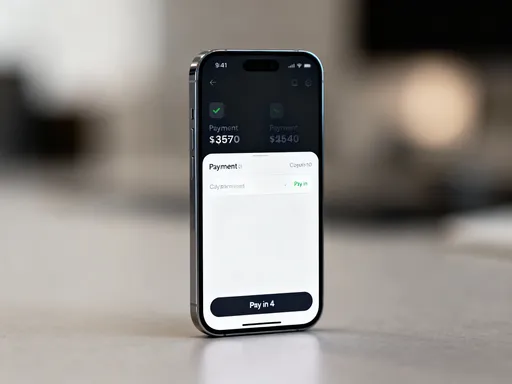
At first glance, "Buy Now, Pay Later" (BNPL) services appear to offer the best of both worlds: immediate access to goods without the upfront cost. Marketing often frames these tools as modern, flexible, and harmless—almost like a financial upgrade. But beneath the surface, BNPL plans operate on principles that mirror traditional credit. They allow consumers to defer payments, usually in four to six installments, with interest-free periods that last anywhere from a few weeks to several months. While this may seem risk-free at first, the reality is more complex. These plans are not debt-free solutions; they are structured credit agreements that require discipline and foresight to use safely.
The psychological appeal of BNPL lies in its ability to separate desire from consequence. When you don’t feel the full financial impact of a purchase immediately, it becomes easier to justify spending. Retailers know this and often integrate BNPL options directly into checkout flows, reducing friction and increasing conversion rates. Studies show that consumers using installment financing are more likely to spend beyond their usual budgets, particularly on non-essential items like fashion, electronics, or home decor. The danger isn’t in the tool itself, but in how it alters spending behavior. Without conscious oversight, what starts as a convenient payment option can evolve into a pattern of over-leveraging.
Another common misconception is that interest-free periods eliminate financial risk. While it’s true that many BNPL plans charge no interest during promotional windows, late or missed payments can trigger significant fees and penalties. Some providers report delinquencies to credit bureaus, which means a single missed payment can damage your credit score. And once the grace period ends, deferred interest may apply retroactively, turning a seemingly affordable purchase into a costly obligation. Understanding these mechanics is essential. A payment plan should never be treated as "free money"—it’s a commitment that must align with your broader financial picture.
Therefore, the key is awareness. Knowing how BNPL works—its structure, its costs, and its behavioral influence—allows you to use it strategically rather than reactively. This isn’t about rejecting modern financing tools, but about reclaiming control. When you approach installment plans with intention, you shift from being influenced by marketing to making decisions based on real financial logic. That shift is the foundation of smarter spending and long-term wealth building.
When Financing Meets Strategy: Turning Spending Into Stepping Stones
Most people use installment plans to manage cash flow around unplanned or impulsive purchases. But when used with purpose, financing can become a strategic lever in personal finance. The difference lies in intentionality. Instead of reacting to sales or emotional triggers, strategic financing involves planning major purchases in alignment with income cycles, savings goals, and investment opportunities. This approach transforms spending from a passive expense into an active step toward financial growth.
Consider the concept of opportunity cost—the value of what you give up when making a financial decision. If you pay $1,200 upfront for a new refrigerator, that’s $1,200 no longer available for other uses, such as investing in a high-yield savings account or paying down high-interest debt. However, if you finance that same appliance over 12 months with no interest, you preserve your liquidity while still acquiring a necessary household item. As long as the payments fit comfortably within your monthly budget, you maintain flexibility and potentially earn returns on the capital you didn’t spend immediately.
This strategy becomes even more powerful when applied to purchases that support income generation. For example, financing a reliable laptop or professional software for a side business allows you to start earning before the item is fully paid off. In this case, the asset pays for itself over time, effectively turning the installment plan into an investment. The same logic applies to education or certification programs—if the knowledge gained leads to higher earnings, then financing the cost can be a wise financial move.
Timing is another critical factor. Aligning installment payments with your pay schedule ensures that funds are available when due, reducing stress and minimizing the risk of missed payments. For salaried workers, this might mean scheduling payments just after payday. For freelancers or those with variable income, it means waiting until a project is completed and funds are secured before committing to a new payment plan. Strategic financing also involves prioritization: choosing which purchases will have the greatest long-term benefit and deferring or eliminating those that won’t.
The goal is not to finance everything, but to use financing selectively and with purpose. When done correctly, installment plans stop being mere debt vehicles and start functioning as tools for financial momentum. Each well-planned purchase becomes a stepping stone, contributing to stability, productivity, and ultimately, wealth accumulation.
Risk Control: Protecting Your Financial Foundation
Even low-interest or interest-free installment plans carry inherent risks that can undermine financial health if not managed carefully. One of the most overlooked dangers is the impact on credit utilization and credit score. While many BNPL services do not report to credit bureaus under normal circumstances, some now do—especially when accounts fall into delinquency. A single missed payment can result in negative marks on your credit report, which may affect your ability to secure loans, rent an apartment, or even qualify for certain jobs.
Additionally, the structure of installment plans can create a false sense of affordability. Breaking a $600 purchase into four $150 payments feels manageable in isolation. But when multiple plans overlap—on electronics, furniture, clothing, and more—the cumulative burden can strain monthly cash flow. This is especially true for households already operating on tight budgets. Without a clear overview of all active obligations, it’s easy to overcommit and fall behind.
Late fees are another hidden cost. While BNPL providers may advertise $0 interest, they often charge penalties for missed payments—sometimes as high as $10 to $15 per occurrence. These fees add up quickly, particularly if multiple plans are active. Worse, some plans apply retroactive interest if the balance isn’t paid in full by the end of the promotional period, turning a no-interest deal into a high-cost debt.
Behavioral risk is equally important. The ease of financing can normalize borrowing for non-essential items, eroding financial discipline over time. When every purchase feels payable in installments, the psychological barrier to spending weakens. This can lead to a cycle of continuous debt, where new plans are opened to cover old ones, trapping users in a loop of financial overextension.
To protect against these risks, proactive measures are essential. First, treat each installment plan like a formal financial obligation—record it in your budget, set calendar reminders, and consider enabling automatic payments to avoid missed deadlines. Second, limit the number of active plans at any given time. A simple rule, such as allowing no more than two concurrent installment agreements, can prevent overload. Third, always read the terms carefully, especially regarding late fees, reporting practices, and post-promotional interest rates. By building these safeguards into your routine, you maintain control and ensure that financing remains a tool—not a trap.
The Cash Flow Connection: Why Timing Is Everything
Your financial stability depends not just on how much you earn, but on when that income arrives and how it aligns with your outgoing obligations. This is where timing becomes a powerful factor in managing installment plans. A well-timed payment schedule can make a plan feel effortless, while poor timing can lead to stress, overdrafts, and missed payments—even if you technically have enough income over the month.
For salaried employees who receive a steady paycheck every two weeks or monthly, syncing installment due dates with payday is a simple but effective strategy. By setting payments for the day after income hits your account, you ensure that funds are available and reduce the temptation to spend that money elsewhere. This method also helps create a predictable financial rhythm, making it easier to track inflows and outflows.
Freelancers, gig workers, and those with commission-based income face a different challenge. Their earnings are irregular, making fixed payment schedules riskier. For these individuals, the key is patience. Rather than signing up for financing immediately, it’s wiser to wait until a project is completed and payment is secured. This approach transforms installment use from speculative spending into planned investment. It also allows for better forecasting—knowing how much will come in before committing to how much will go out.
Maintaining liquidity is another crucial consideration. Even if you qualify for financing, locking up future income in fixed payments reduces your financial flexibility. Unexpected expenses—like car repairs, medical bills, or family emergencies—can quickly become crises if too much of your anticipated income is already allocated. That’s why it’s important to maintain an emergency buffer, ideally covering three to six months of essential expenses, before taking on any new payment obligations.
Ultimately, the goal is balance. Financing should never compromise your ability to handle life’s uncertainties. By aligning payment timing with income patterns and preserving liquidity, you turn installment plans into manageable tools rather than sources of financial strain. This level of control is what separates sustainable spending from short-term convenience.
Asset vs. Liability: What You’re Actually Buying
Not all purchases are created equal. Some add long-term value to your life and finances; others simply drain resources over time. Understanding the difference between assets and liabilities is critical when using installment financing. An asset is something that retains or increases in value, generates income, or significantly enhances productivity. A liability, on the other hand, loses value over time and requires ongoing costs to maintain.
Consider two scenarios. In the first, you finance a high-quality washing machine that replaces an unreliable, energy-inefficient model. The new appliance reduces utility bills, saves time, and lasts for a decade. Over its lifespan, it delivers ongoing value—making it an asset. In the second scenario, you use a BNPL plan to buy the latest smartphone, even though your current one works fine. The new phone depreciates rapidly, offers minimal functional improvement, and will likely be replaced in two years. This is a classic liability.
The distinction matters because financing liabilities amplifies financial loss. You’re not just spending money—you’re borrowing to spend, often at a time when depreciation is steepest. This creates a double drain: paying for something that immediately loses value, while incurring the administrative and behavioral costs of managing debt.
To make better decisions, apply a simple filter before financing any purchase. Ask: Does this item help me earn more, save money, or significantly improve my quality of life? Will it last longer than the payment period? Could it potentially generate income? If the answer to most of these questions is no, the purchase is likely a liability in disguise. For example, financing kitchen upgrades that increase your home’s value or durability can be justified. Financing luxury bedding or decorative items, while enjoyable, typically cannot.
By focusing on asset-building purchases, you ensure that every installment contributes to long-term stability. Over time, this discipline compounds. Your home becomes more efficient, your tools more effective, and your financial foundation stronger. The goal isn’t to eliminate enjoyment from spending, but to prioritize investments that deliver lasting returns.
Building Discipline: The Unseen Engine of Financial Growth
No financial tool works without discipline. Installment plans, like any form of credit, are only as beneficial as the habits that surround them. The real driver of long-term wealth isn’t access to financing—it’s consistency, awareness, and self-control. These qualities don’t develop overnight, but through repeated, intentional actions that reinforce responsible financial behavior.
One of the most effective habits is tracking spending. Simply recording every installment payment, along with other expenses, creates visibility into where your money goes. This awareness often leads to natural corrections—seeing a list of active plans can be enough to pause an impulsive decision. Budgeting apps, spreadsheets, or even a handwritten ledger can serve this purpose. The method matters less than the practice itself.
Setting personal rules further strengthens discipline. For instance, adopting a policy like “no more than two active installment plans at a time” creates a clear boundary. Another rule might be to wait 48 hours before approving any new financing, allowing time for emotional impulses to fade. Some people choose to require spousal or family approval for purchases above a certain amount, adding an extra layer of accountability.
Monthly financial reviews are another powerful habit. Taking one hour each month to assess income, expenses, savings progress, and outstanding obligations helps maintain perspective. It allows you to catch small issues before they become big problems and celebrate progress toward goals. Over time, this routine builds confidence and control.
Behavioral psychology shows that people are more likely to overspend when payment feels abstract or delayed. Installment plans exploit this tendency by separating purchase from payment. To counteract it, reframe each transaction as a real-time exchange. Before confirming a plan, ask: Would I still buy this if I had to pay in full today? If the answer is no, the purchase may not be worth the future obligation.
Discipline, like compound interest, grows silently but powerfully over time. Each small act of restraint builds financial resilience. Each thoughtful decision reinforces a mindset of stewardship. And over months and years, these choices accumulate into real, measurable wealth.
The Bigger Picture: From Spending Habits to Long-Term Wealth
Financial success is rarely the result of a single decision. It’s shaped by the accumulation of small, consistent choices—especially around spending. Installment plans, often seen as minor financial tools, actually play a significant role in shaping long-term outcomes. When used mindlessly, they contribute to debt, stress, and financial fragility. But when used with awareness and strategy, they become part of a larger system of wealth building.
Every payment decision affects your future capacity to save, invest, and achieve major life goals. Choosing to finance a reliable car that enables stable employment strengthens your income stream. Preserving cash by using no-interest plans for essential upgrades allows you to maintain emergency funds. Avoiding unnecessary financing keeps your credit profile strong and borrowing costs low when you truly need a mortgage or business loan.
The ultimate goal is not to eliminate spending, but to align it with purpose. Conscious spending means asking not just whether you can afford a payment, but whether the purchase deserves a place in your financial journey. It means recognizing that wealth is not measured solely by what you own, but by the freedom and security you’ve built along the way.
Over time, the habits formed through disciplined installment use—budgeting, timing, prioritization, and self-awareness—extend far beyond individual purchases. They shape your relationship with money, influence major financial decisions, and lay the groundwork for lasting stability. In this light, every installment is more than a bill; it’s a vote for the kind of financial life you want to lead.
Spending isn’t the enemy. Unconscious spending is. By bringing intention to your payment choices, you transform everyday transactions into building blocks of wealth. That’s the real power of smarter spending—and the quiet path to long-term financial freedom.