Buy Now, Pay Smarter: How to Navigate Split Payments Like a Pro
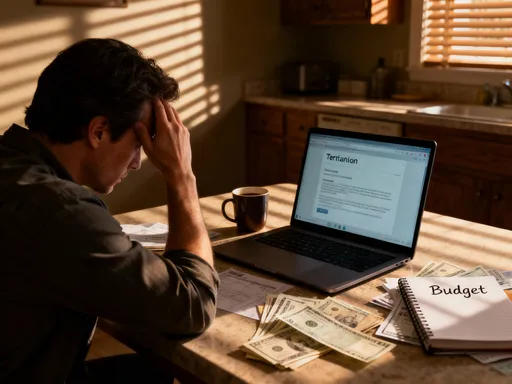
So you’ve seen that “buy now, pay later” button at checkout and clicked it—maybe once, maybe a few times. I did too, and honestly, it felt like a win… until the bills stacked up. Splitting payments isn’t just about convenience—it’s becoming a financial habit for millions. But here’s the real question: are you using it wisely, or is it quietly messing with your budget? Let’s break down how this trend is shaping up and how you can stay in control. What starts as a simple way to manage cash flow can, without awareness, turn into a cycle of overlapping obligations. The key isn’t to reject modern tools, but to understand them deeply and use them with intention.
The Rise of Split Spending: What’s Driving the Trend?
Split payments have moved from being a niche financial experiment to a mainstream shopping norm, especially over the past five years. What was once limited to high-ticket items like furniture or electronics is now common for everyday purchases—clothing, groceries, even digital subscriptions. This shift is not accidental; it reflects broader changes in how people earn, spend, and perceive money. For many households, income is no longer predictable. Gig work, part-time roles, and seasonal employment have become more common, making lump-sum payments difficult. Splitting costs into manageable chunks aligns better with irregular cash flow, offering a sense of financial flexibility.
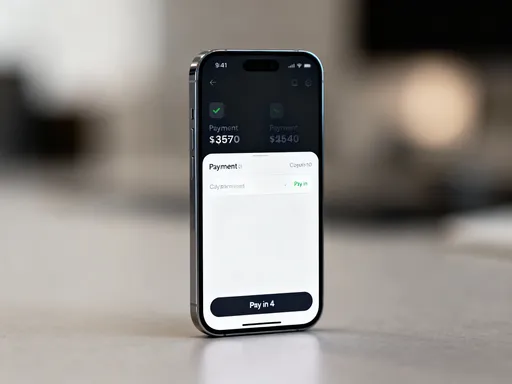
Another powerful force behind this trend is the integration of split payment options directly into online shopping platforms. When the “Pay in 4” button appears right beside the “Add to Cart” option, it becomes part of the shopping experience—not a separate financial decision. This seamless integration reduces friction and makes installment buying feel like a neutral, even helpful, feature. Retailers benefit too: studies show that when BNPL (buy now, pay later) options are available, conversion rates increase, and average order values rise. It’s a win-win on the surface—but only if the consumer remains in full control of their spending.
Younger generations, particularly Millennials and Gen Z, are leading this shift, but not just because it’s trendy. For many, traditional credit cards feel outdated or risky. Some have limited credit history, making it hard to qualify for cards with favorable terms. Others associate credit cards with long-term debt and high interest. BNPL services, often marketed as interest-free and easy to use, appear to offer a safer alternative. They provide access to goods without the immediate burden of full payment, which can be empowering when used responsibly. However, this ease of access can also lead to overuse, especially when multiple purchases are spread across different platforms.
The normalization of installment spending is also fueled by social and cultural factors. Social media influencers showcase new purchases with casual mentions of “splitting the cost,” making it seem like a smart, modern way to live. The message is subtle but powerful: you don’t need to save up; you can have it now and pay later, without consequences. This mindset, while appealing, overlooks the importance of delayed gratification and long-term financial planning. As split payments become more embedded in daily life, the line between responsible budgeting and impulsive spending grows thinner. Awareness of these driving forces is the first step toward using the tool wisely, rather than being used by it.
How Split Payments Actually Work: Beyond the Checkout Button
When you click “Pay in 4” at checkout, it’s easy to assume you’re simply dividing a bill into equal parts with no strings attached. But behind that simple interface lies a financial transaction that carries real obligations. Most BNPL services work by advancing the full purchase amount to the merchant on your behalf, then collecting repayment from you in installments—usually over six weeks, with four payments. The provider acts as a short-term lender, even if it doesn’t feel like borrowing. Understanding this mechanism is crucial because it means you’re not just deferring payment; you’re entering into a credit agreement.
One of the most appealing features of many BNPL plans is the absence of interest during the initial repayment period, provided you pay on time. This interest-free model is a major draw, especially when compared to credit cards, which often carry double-digit annual percentage rates (APRs). However, this benefit only applies if you meet the repayment schedule exactly. Miss a payment, and late fees can apply—sometimes as much as $10 or more per missed installment. While this may seem small, it adds up quickly, especially if multiple purchases are in play. Some providers also report delinquencies to credit bureaus, which can affect your credit score and future borrowing ability.
Unlike credit cards, BNPL services typically perform a soft credit check—or none at all—making them accessible to people with limited credit history. While this inclusivity is positive, it also means there’s less financial gatekeeping. Without a formal assessment of your income or debt load, it’s easier to take on more than you can afford. A consumer might have three active BNPL plans across different retailers, none of which communicate with each other, creating a blind spot in personal finance tracking. This lack of visibility increases the risk of overextension, especially when combined with other forms of debt.
Another key difference between BNPL and traditional credit is the structure of repayment. Credit cards offer revolving credit, allowing you to carry a balance and make minimum payments indefinitely. BNPL, on the other hand, requires fixed payments on a set schedule. This can be a strength, as it enforces discipline, but it also means less flexibility. If an unexpected expense arises, you can’t simply skip a payment without consequences. Some services offer payment rescheduling for a fee, but this option isn’t always available. The takeaway is clear: split payments are not magic. They are a form of credit, and like any credit, they require careful management and a clear understanding of the terms.
The Hidden Costs: When “Interest-Free” Isn’t Truly Free
The promise of “interest-free” installments is undeniably attractive, especially for budget-conscious shoppers. It feels like a way to stretch your dollars without paying extra. But the reality is more complex. The true cost of split payments isn’t always in interest—it’s in the combination of fees, behavioral shifts, and long-term financial strain. Late fees are the most obvious added expense. While a single $8 fee for a missed payment might seem minor, it represents a high effective interest rate when applied to a small purchase. For example, a $40 late fee on a $200 item is equivalent to a 20% cost—far higher than many credit card APRs.
Beyond direct fees, there are indirect costs that are harder to see but equally damaging. One of the most significant is the impact on financial awareness. When a purchase is split into four payments, it becomes easier to underestimate its total cost. A $300 jacket paid in $75 increments feels less substantial than a single charge, even though the amount is the same. This psychological effect, known as “payment dissociation,” makes it easier to justify spending. Over time, multiple small installment plans can create a web of obligations that are difficult to track, leading to overspending and cash flow shortages.
Another hidden cost is the potential damage to your credit profile. While not all BNPL providers report to credit bureaus, an increasing number do—especially when accounts fall into default. A missed payment that results in a negative mark on your credit report can affect your ability to secure loans, rent an apartment, or even get certain jobs. The irony is that many people turn to BNPL to avoid credit card debt, only to find that mismanaged installment plans harm their credit just as much. This risk is particularly high for users who rely on multiple BNPL services, as there is no centralized system to monitor total debt exposure.
Perhaps the most insidious cost is the normalization of constant spending. When every purchase comes with a “buy now, pay later” option, the habit of saving for big-ticket items fades. Instead of setting aside money over time, consumers grow accustomed to immediate gratification. This shift can erode long-term financial discipline, making it harder to build emergency savings or plan for major life goals. The convenience of split payments, if used without limits, can quietly undermine financial stability. Recognizing these hidden costs is essential to using BNPL as a tool rather than falling into its traps.
Risk Control: Building Guardrails Around Installment Spending
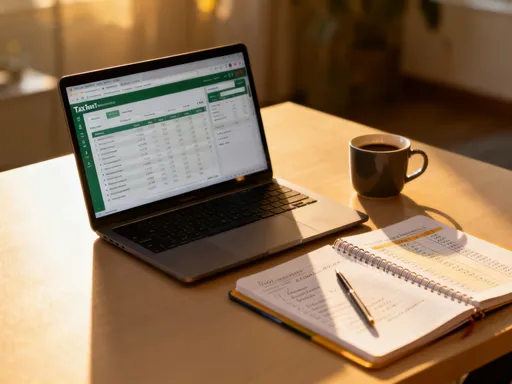
Freedom without boundaries is rarely sustainable, and this is especially true when it comes to modern spending tools. The real power of split payments lies not in their availability, but in how they are managed. Without clear limits and tracking systems, it’s easy to lose sight of total obligations. The first step in risk control is treating every installment plan as a formal financial commitment—no different from a utility bill or rent payment. This means recording each plan in your budget, noting the amount, due date, and total cost. A simple spreadsheet or personal finance app can help centralize this information, providing a clear picture of what you owe and when.
Setting personal spending limits is another essential guardrail. For example, you might decide that no single BNPL purchase will exceed 10% of your monthly take-home pay, or that you will never have more than two active installment plans at once. These self-imposed rules create a framework for responsible use. They prevent the gradual accumulation of small debts that, when combined, can create serious financial pressure. It’s also wise to avoid using BNPL for discretionary purchases—items that are nice to have but not necessary. Reserve installment plans for essential or high-value purchases that you would have saved for anyway, such as a new appliance or work-related equipment.
Timing is another critical factor in risk management. Aligning installment due dates with your pay schedule can prevent cash flow gaps. If you’re paid biweekly, try to schedule payments shortly after each deposit. This ensures that funds are available when needed and reduces the risk of missed payments. Some BNPL providers allow you to adjust due dates, making it easier to match your income cycle. Taking advantage of this feature can significantly improve payment reliability.
Finally, regular financial check-ins are vital. Set a monthly reminder to review all active installment plans, upcoming payments, and overall debt load. This habit builds financial awareness and helps catch potential issues before they escalate. It also reinforces the mindset that installment spending is a temporary solution, not a permanent way of life. By putting these guardrails in place, you transform split payments from a potential liability into a controlled, strategic tool.
Maximizing Benefits: Using Split Payments as a Financial Tool, Not a Trap
When used with discipline, split payments can be a valuable part of a smart financial strategy. The key is intentionality—using the tool to support your goals, not undermine them. One of the most effective uses of BNPL is to avoid high-interest credit card debt. If you need to make a necessary purchase but don’t have the full amount available, paying in installments with no interest is often a better option than carrying a balance on a card with a 20% APR. This approach can save hundreds of dollars in interest over time, especially for larger expenses.
Consider a scenario where a home appliance breaks down. Replacing a refrigerator or washing machine can cost several hundred dollars—more than many families have on hand. Rather than charging the full amount to a credit card and paying it off slowly with interest, using a BNPL plan allows you to spread the cost over a few weeks with no added fees. As long as the payments are made on time, this is a responsible use of the service. It addresses an urgent need without creating long-term debt. The same logic applies to work-related purchases, such as a new laptop or professional clothing, which can be seen as investments in income potential.
Another way to maximize benefits is by taking advantage of retailer promotions. Some stores offer special financing deals, such as “0% interest for 6 months” or discounts for using a specific BNPL provider. These offers can stretch your budget further, but only if you read the fine print and plan to pay in full before any interest applies. Smart users treat these promotions like time-limited opportunities, not open-ended spending licenses. They calculate the exact payment schedule and set reminders to stay on track.
Perhaps the greatest benefit of split payments is the psychological boost they can provide. For families managing tight budgets, the ability to spread out a necessary expense can reduce financial stress. It allows for better cash flow management and prevents the need to dip into emergency savings for predictable but large purchases. When used this way, BNPL becomes a bridge between income and expenses, helping maintain financial balance. The goal is not to eliminate installment plans, but to use them selectively, strategically, and with full awareness of the commitment involved.
The Bigger Picture: Where Is Consumer Credit Headed?
The rise of split payments is part of a larger transformation in consumer credit. Traditional banking models are being challenged by fintech innovation, and the lines between borrowing, spending, and saving are blurring. Regulators in many countries are beginning to take notice, proposing rules that would require BNPL providers to conduct affordability checks, report to credit bureaus, and offer clearer disclosures. These changes could make the industry more transparent and protect consumers from overextension.
At the same time, major banks and credit unions are launching their own installment lending products, often integrated directly into mobile banking apps. This shift brings greater oversight and accountability, as these institutions are already subject to strict financial regulations. It also means that installment spending may soon be part of a more holistic financial picture, with spending alerts, budgeting tools, and credit score monitoring all in one place. For consumers, this could mean better control and fewer surprises.
Technology will continue to shape the future of credit. Artificial intelligence and machine learning could be used to analyze spending patterns and send personalized alerts when a user is approaching their limit. Some apps already offer features that aggregate all BNPL accounts in one dashboard, giving users a complete view of their obligations. As these tools improve, they will make it easier to use installment plans responsibly. The future of consumer credit is likely to be more integrated, more transparent, and more user-focused—but only if consumers demand it.
For families managing household finances, staying informed about these trends is essential. Understanding how credit is evolving allows you to make better choices and avoid being caught off guard by new fees or policies. It also empowers you to advocate for fairer, more responsible financial products. The goal is not to fear change, but to adapt to it with confidence and clarity.
Staying in Control: A Sustainable Approach to Modern Spending
The future of personal finance isn’t about rejecting new tools—it’s about mastering them. Split payments are here to stay, and they offer real benefits when used wisely. But like any financial tool, their value depends on how they are used. The most successful users are not those who avoid BNPL entirely, nor those who use it for every purchase, but those who apply it selectively and with clear intent. Every “buy now” should be paired with a realistic plan for “pay later.” This means asking yourself not just whether you can afford the first payment, but whether you can comfortably manage all of them without disrupting your budget.
At its core, financial health is about awareness, discipline, and long-term thinking. It’s about recognizing that every spending decision today shapes your financial reality tomorrow. Split payments can be a helpful bridge, but they should never become a crutch. By tracking your obligations, setting limits, and aligning purchases with your values and needs, you maintain control over your money. You avoid the trap of living beyond your means, even when the system makes it easy to do so.
Ultimately, the goal is to build a financial life that feels stable, secure, and intentional. This doesn’t mean never treating yourself or delaying every purchase. It means making choices that reflect your priorities and support your family’s well-being. Whether you use BNPL, credit cards, or cash, the principles remain the same: spend with purpose, plan for the future, and protect your financial peace of mind. In a world of constant financial temptation, that kind of control is the real win.