Breath, Balance, Better Days: My Qi Gong Journey to Real Wellness
Living with constant stress and low energy used to be my normal—until I discovered qi gong. This ancient practice didn’t just change my mornings; it reshaped my entire day. No magic, no hype—just simple movements and mindful breathing that actually work. I’ve seen real shifts in my focus, sleep, and overall calm. Physical tension eased. Mental clutter quieted. Emotional resilience grew. If you’re tired of quick fixes that fade, this is the real deal: a gentle, accessible path to lasting wellness grounded in centuries of tradition and increasingly supported by modern science.
The Burnout Breakdown: Why Modern Life Drains Us
Many women between the ages of 30 and 55 carry invisible weights—responsibilities that never pause, screens that glow through the evening, and schedules so full there’s no room left for themselves. The result is a quiet but persistent burnout, not marked by dramatic collapse but by a steady erosion of energy and joy. Fatigue becomes routine. Brain fog clouds decision-making. Small irritations feel overwhelming. Sleep, once a refuge, turns restless or insufficient. These are not personal failings; they are symptoms of a lifestyle out of balance.
From the perspective of Traditional Chinese Medicine (TCM), this modern condition reflects a disruption in qi—the vital energy that flows through the body along pathways known as meridians. When qi moves freely, the body functions optimally. When it stagnates or becomes deficient, physical and emotional symptoms arise. Chronic stress, lack of movement, poor sleep, and emotional suppression all contribute to this stagnation. The body’s natural rhythms are overridden by artificial demands, leading to a state of constant alertness without true engagement. Over time, this depletes the body’s reserves, weakening immunity, digestion, and mental clarity.
The digital age amplifies these challenges. Constant notifications pull attention in multiple directions, fragmenting focus and increasing mental load. The blue light from screens interferes with melatonin production, disrupting circadian rhythms. Sedentary routines—hours spent sitting at desks, in cars, or on couches—further impede the smooth flow of qi. Without physical movement to stimulate circulation and breath work to calm the nervous system, the body remains locked in a low-grade stress response. This state, often called “sympathetic dominance,” prevents the restorative processes that occur during relaxation.
Recognizing these patterns is the first step toward change. It’s not about rejecting modern life but about reclaiming agency within it. Wellness is not found in extreme diets or punishing workouts, but in sustainable practices that restore balance. Qi gong offers such a practice—one that meets the body where it is and gently guides it back to harmony. It does not require special equipment, expensive memberships, or hours of time. Instead, it invites a return to simplicity: breath, movement, and awareness.
What Is Qi Gong? More Than Just Movement
Qi gong (pronounced “chee-gong”) is a holistic system of coordinated body posture, movement, breathing, and mental focus. Rooted in the principles of Traditional Chinese Health Preservation, it has been practiced for thousands of years to cultivate and balance qi. The word itself combines “qi,” meaning vital energy, and “gong,” meaning skill or practice—so qi gong translates to “energy practice” or “mastery of life energy.” It is not performance-based exercise but a form of moving meditation designed to harmonize the body, mind, and spirit.
Unlike high-intensity workouts that push the body to its limits, qi gong emphasizes softness, slowness, and intention. Movements are gentle, flowing, and often repeated in a continuous sequence. Each motion is synchronized with the breath, creating a rhythm that calms the nervous system and enhances internal awareness. The practice includes standing, sitting, and sometimes lying positions, making it accessible to people of all fitness levels and physical conditions. Some forms mimic natural elements—like trees swaying in the wind or waves rolling on a shore—encouraging a deep connection with the body’s innate rhythms.
There are thousands of qi gong styles, ranging from medical and therapeutic forms to martial and spiritual traditions. For everyday wellness, medical qi gong is most relevant. This branch focuses on prevention, recovery, and maintaining vitality. It is taught in hospitals and clinics in parts of China as part of integrative care. In the West, it is increasingly recognized as a complementary approach to managing chronic conditions such as hypertension, arthritis, and anxiety. What unites all forms is the principle of mindful engagement—being fully present in each moment of practice.
A common misconception is that qi gong is mystical or religious. While it has philosophical roots in Daoism, Confucianism, and Buddhism, the practice itself is secular and adaptable. No belief system is required. The focus is on tangible experience: how the body feels, how the breath moves, how the mind settles. It is a practical tool, not a dogma. By returning to the basics of human functioning—breathing, moving, resting—qi gong helps restore what modern life often takes away: a sense of groundedness and inner peace.
Why It Works: The Science Behind the Stillness
Though ancient in origin, qi gong is gaining attention in the scientific community for its measurable health benefits. Research studies have demonstrated that regular practice can lead to significant improvements in both physical and psychological well-being. One of the most consistent findings is its effect on the stress response. A 2013 meta-analysis published in the journal *BMC Complementary and Alternative Medicine* found that qi gong significantly reduced cortisol levels, the hormone associated with chronic stress. Lower cortisol means reduced inflammation, better immune function, and improved mood regulation.
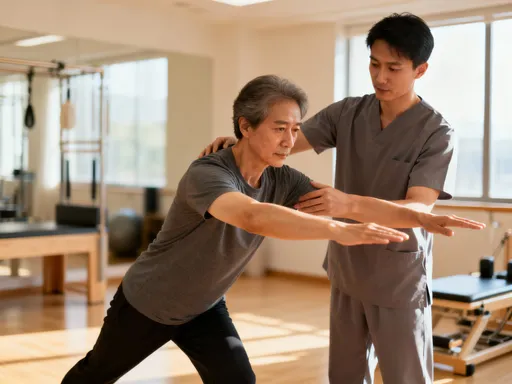
Another key benefit is enhanced balance and motor control, particularly important as we age. A study from the *Journal of the American Geriatrics Society* showed that older adults who practiced qi gong for 12 weeks experienced fewer falls and improved postural stability. This is due in part to the practice’s emphasis on weight shifting, controlled movements, and proprioception—the body’s ability to sense its position in space. These elements strengthen the neuromuscular system without placing strain on joints or muscles.
Sleep quality also improves with consistent practice. Poor sleep is a common complaint among middle-aged women, often linked to hormonal changes, stress, or anxiety. Qi gong helps by activating the parasympathetic nervous system—the “rest and digest” counterpart to the stress-driven “fight or flight” mode. Slow, diaphragmatic breathing increases vagal tone, which slows the heart rate and promotes relaxation. Over time, this recalibrates the body’s natural rhythms, making it easier to fall asleep and stay asleep.
Cardiovascular health is another area where qi gong shows promise. Clinical trials have documented modest but meaningful reductions in blood pressure among participants who practiced regularly. The combination of gentle movement, breath regulation, and mental focus appears to improve vascular function and reduce arterial stiffness. While not a replacement for medical treatment, it serves as a valuable adjunct for those managing hypertension or recovering from heart-related conditions.
Mental clarity and emotional resilience are equally supported. Functional MRI studies suggest that mind-body practices like qi gong enhance activity in brain regions associated with attention, self-regulation, and emotional processing. Practitioners often report feeling more centered, less reactive, and better able to navigate daily challenges. These changes are not immediate, but they are cumulative—like strengthening a muscle through consistent, gentle exercise.
My Routine: Simple Practices That Deliver Results
My own journey with qi gong began during a particularly overwhelming period. I was juggling work deadlines, family responsibilities, and a growing sense of emotional fatigue. I tried yoga and meditation, but found them either too physically demanding or too mentally challenging to maintain. Then I discovered a short video of a woman demonstrating a basic qi gong sequence called “Lifting the Sky.” The movements were slow, graceful, and unintimidating. I decided to try five minutes the next morning.
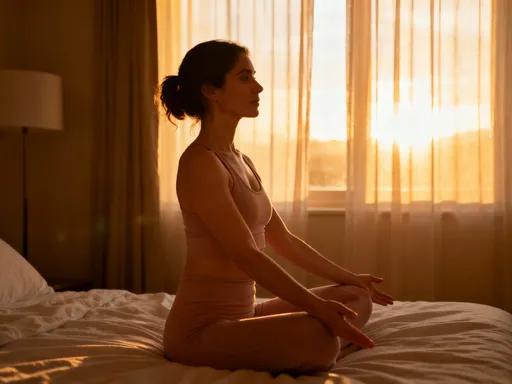
That small commitment grew into a daily ritual. My routine now follows a simple structure: five minutes of standing meditation, ten minutes of flowing movements, and five minutes of seated breath awareness. I do this most days, usually in the morning before the household wakes up. The consistency—not the duration or intensity—has made the difference. Within three weeks, I noticed subtle shifts: I was less reactive to minor frustrations, more patient with my children, and clearer-headed when making decisions.
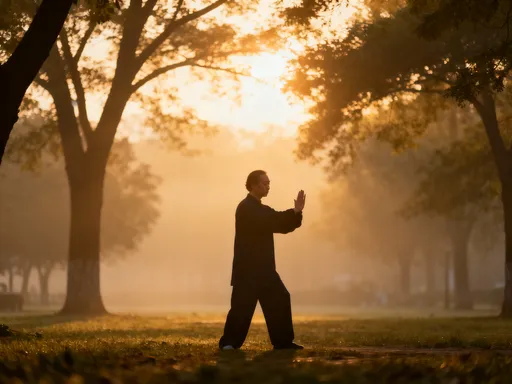
The standing meditation, known as “Zhan Zhuang” or “standing like a tree,” is deceptively simple. I stand with feet shoulder-width apart, knees slightly bent, arms rounded in front of me as if hugging a large ball. My gaze is soft, my jaw relaxed, and my breath slow and deep. At first, I felt awkward and distracted. But over time, I learned to settle into the stillness. This practice builds internal awareness and teaches the body to release unnecessary tension. It also improves posture, which in turn supports better breathing and energy flow.
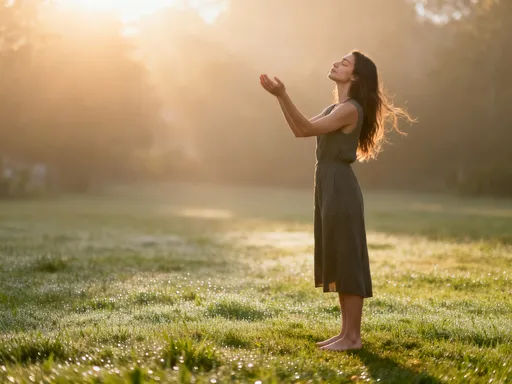
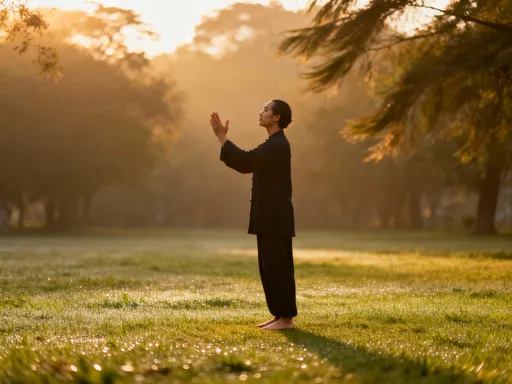
The “Lifting the Sky” movement is one of the most fundamental qi gong exercises. It involves slowly raising the arms overhead on the inhale, as if gathering energy from the earth and sky, then lowering them on the exhale, releasing tension. The motion is fluid, continuous, and repeated six to nine times. This sequence warms the body, stretches the spine, and synchronizes breath with movement. It feels both energizing and calming—a paradox that reflects the balancing nature of qi gong.
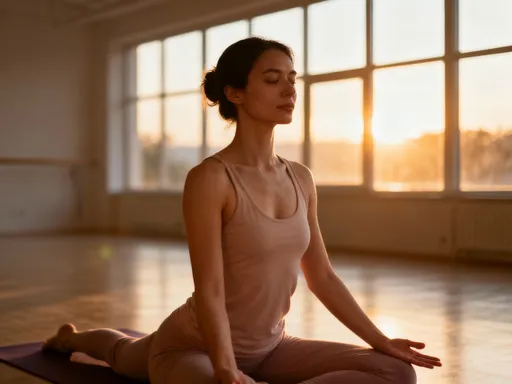
The final segment, seated breath awareness, is done in a chair with feet flat on the floor. I place one hand on my lower abdomen and breathe deeply into the belly, feeling it rise and fall with each cycle. I count my breaths silently, gently bringing my attention back whenever the mind wanders. This practice strengthens focus and creates a mental reset before starting the day. Together, these elements form a complete micro-practice that fits easily into a busy schedule.
How to Start Without Overthinking It
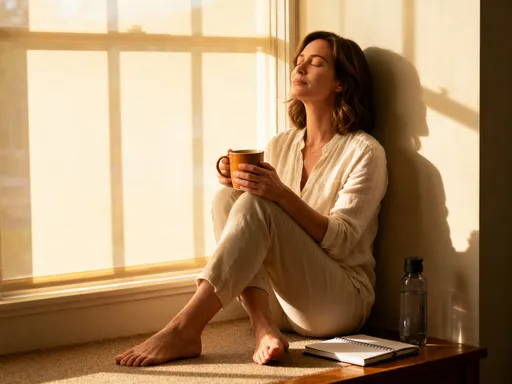
If you’re curious about qi gong but unsure where to begin, the best advice is to start small and be kind to yourself. You don’t need special clothing, equipment, or even a lot of space. All you need is a quiet corner—your living room, a spare bedroom, or even a cleared area near a window. Wear loose, comfortable clothes that allow for easy movement. Choose a time when you’re unlikely to be interrupted, preferably in the morning or evening when the household is calm.
Begin with just five to ten minutes a day. Even two or three sessions a week can make a difference. Focus on consistency rather than perfection. Some days you may feel focused and relaxed; other days your mind may race or your body feel stiff. Both experiences are valid. Qi gong is not about achieving a particular state but about showing up and practicing presence. Over time, the benefits accumulate quietly, like drops filling a bowl.
There are many free, high-quality resources available online. Reputable instructors offer guided videos on platforms like YouTube, often categorized by skill level and focus—beginner, stress relief, energy boosting, or sleep support. Look for teachers with clear explanations, gentle pacing, and a calm presence. Avoid programs that make exaggerated claims or use overly mystical language. A good instructor will emphasize safety, alignment, and accessibility.
It’s also helpful to approach the practice with patience and non-judgment. Progress in qi gong is not measured by how far you can stretch or how long you can stand still, but by how you feel over time. Do you sleep better? Are you less tense? Do small moments of calm begin to appear in your day? These are the real indicators of change. Remember, this is not a competition or performance. It’s a personal journey of self-care and rediscovery.
Beyond the Mat: Integrating Qi Into Daily Life
The true power of qi gong extends beyond the formal practice. Its principles can be woven into everyday moments, turning routine activities into opportunities for presence and renewal. For example, before a stressful meeting or difficult conversation, take three slow, deep breaths—inhaling through the nose, expanding the belly, and exhaling fully. This simple act signals the nervous system to shift from stress to calm, creating space for a more thoughtful response.
Posture awareness is another practical application. While walking, standing in line, or doing household chores, notice your alignment. Are your shoulders hunched? Is your head forward? Gently realign—soften the shoulders, lengthen the spine, relax the jaw. These small adjustments improve energy flow and reduce physical strain. Over time, they become second nature, supporting better breathing and increased vitality.
When stress spikes—perhaps during a child’s tantrum or a traffic delay—pause. Close your eyes if possible, or soften your gaze. Take a few conscious breaths. This “micro-pause” interrupts the stress cycle and restores a sense of control. It’s not about eliminating stress but about changing your relationship to it. Qi gong teaches that we cannot control external events, but we can influence our internal response.
Even eating can become a mindful practice. Before a meal, take a moment to appreciate the food, breathe deeply, and eat slowly. This enhances digestion and fosters gratitude. These small moments of presence add up, creating a cumulative effect on well-being. Qi gong is not something you do for twenty minutes and then forget; it’s a way of being that infuses daily life with greater awareness and balance.
A Sustainable Path to Lasting Vitality
Unlike trendy wellness fads that promise rapid results and fade just as quickly, qi gong is a lifelong practice. It does not offer instant transformation, but it delivers steady, meaningful change. It is not a cure-all, but a reliable tool for self-regulation and resilience. By investing a small amount of time each day, you build a foundation of inner strength that supports all areas of life—relationships, work, health, and personal growth.
What makes qi gong sustainable is its adaptability. It can be practiced at any age, in any physical condition, and in any stage of life. Whether you are recovering from illness, managing chronic pain, or simply seeking more calm, it meets you where you are. It requires no special skills, only willingness and consistency. Over time, it fosters a deeper connection to your body, your breath, and your inner wisdom.
The growing body of scientific research adds credibility to this ancient practice, bridging tradition and modern understanding. Yet its true value lies in personal experience. You don’t need to believe in qi to feel its effects. You only need to practice. As you do, you may find that the energy you once thought was lost begins to return—not as a burst of excitement, but as a quiet, steady presence.
Before beginning any new wellness practice, especially if you have pre-existing health conditions, it is important to consult with a healthcare provider. Qi gong is generally safe, but individual needs vary. With professional guidance, it can be adapted to support recovery and enhance quality of life. This is not a replacement for medical care, but a complementary approach that empowers you to take an active role in your well-being.
In a world that often feels chaotic and demanding, qi gong offers a return to simplicity and balance. It reminds us that wellness is not found in extremes, but in the quiet moments of breath, movement, and presence. It is a gift you can give yourself—one that keeps giving, day after day, breath after breath.