Why Moving Smarter, Not Harder, Changed My Menopause Journey
Menopause doesn’t mean slowing down—but the way we move should evolve. I used to push through workouts, only to feel worse: more fatigue, joint pain, and frustration. It wasn’t until I stopped chasing intensity and started listening to my body that things shifted. This is about ditching the fitness myths that backfire and finding what actually supports you during this phase. Spoiler: it’s not about sweating more. It’s about moving with purpose, balance, and care.
The Hidden Struggle: Why Exercise Feels Different During Menopause
During menopause, the body undergoes profound hormonal shifts, particularly in estrogen and progesterone, which influence more than just menstrual cycles. These changes ripple through energy regulation, muscle recovery, joint lubrication, and metabolic function. Many women find that the exercise routines that once energized them now leave them drained or sore for days. This is not a sign of weakness—it’s a signal that the body is asking for a new approach. The common belief that more effort equals better results often leads to overexertion, increased inflammation, and even injury, especially when recovery capacity declines.
Estrogen plays a key role in muscle repair and inflammation control. As levels drop, muscles take longer to recover after physical activity. Women may notice they can no longer bounce back after a tough workout the way they used to. Joint discomfort becomes more common, not because of age alone, but because declining estrogen affects connective tissue and cartilage hydration. Additionally, changes in body composition—such as a natural shift toward increased abdominal fat and reduced lean muscle mass—can occur even with consistent diet and exercise. This often leads to confusion and discouragement, particularly when effort does not match results.
Another hidden challenge is fluctuating energy levels. Cortisol, the stress hormone, often rises during menopause, especially when sleep is disrupted by night sweats or anxiety. Elevated cortisol can sabotage weight management and increase fatigue, making high-effort workouts counterproductive. Many women report feeling “wired but tired,” a state where they have mental energy but physical exhaustion. In this context, pushing harder can deepen the cycle of burnout rather than improve fitness. Recognizing these physiological shifts is the first step toward a more supportive, effective movement strategy.
The Pitfalls of Popular Workouts: When More Isn’t Better
High-intensity interval training (HIIT) and long-duration cardio have long been praised for fat loss and cardiovascular health. However, for many women in midlife, these formats can do more harm than good. HIIT, in particular, triggers a sharp rise in cortisol. When cortisol remains elevated due to frequent intense workouts—especially without adequate recovery—it can contribute to weight retention, particularly around the midsection, disrupt sleep, and weaken immune function. For women already navigating hormonal imbalances, adding chronic physiological stress through excessive high-intensity exercise can worsen symptoms rather than alleviate them.
Long cardio sessions, such as extended treadmill runs or cycling classes, may also backfire. While moderate aerobic activity supports heart health, prolonged endurance exercise without sufficient fuel or recovery can lead to muscle loss, increased joint wear, and metabolic slowdown. The body, under constant demand, may enter a state of conservation, lowering resting metabolic rate to protect energy stores. This explains why some women find themselves exercising more but losing less—sometimes even gaining weight despite increased effort. The message is clear: more is not always better, and in this phase of life, sustainability trumps intensity.
Overtraining syndrome is a real risk, characterized by persistent fatigue, irritability, poor sleep, and decreased performance. Women in perimenopause and menopause are especially vulnerable due to overlapping hormonal and lifestyle stressors. Instead of striving for maximum exertion, the focus should shift to movement that supports hormonal balance, reduces inflammation, and preserves energy. This means choosing exercises that enhance resilience without depleting it. The goal is not to eliminate challenge, but to redefine it—seeking effort that feels empowering, not exhausting.
Strength Training: Your Metabolism’s Best Friend
One of the most significant changes during menopause is the accelerated loss of muscle mass, a process known as sarcopenia. After age 40, adults lose about 3–8% of muscle mass per decade, and this rate increases during menopause due to lower estrogen and testosterone levels. Since muscle tissue is metabolically active—burning more calories at rest than fat tissue—losing muscle directly impacts metabolism. This is why many women notice they gain weight more easily, even without changes in diet. Strength training is the most effective countermeasure, helping to maintain and even rebuild lean muscle, support joint stability, and improve insulin sensitivity.
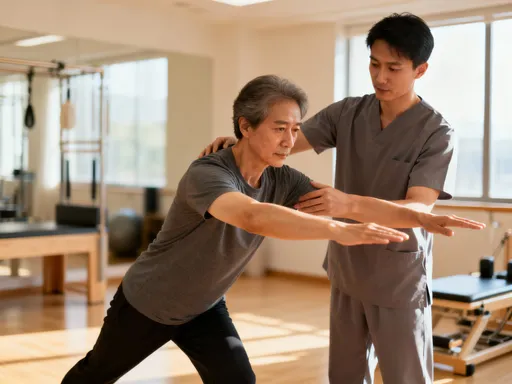
Contrary to outdated beliefs, strength training does not require heavy weights or hours in the gym. Bodyweight exercises like squats, lunges, push-ups (modified if needed), and planks are highly effective. Adding light dumbbells or resistance bands can further enhance results without excessive strain. The key is consistency and proper form, not intensity. Two to three sessions per week, lasting 20–30 minutes, can yield significant benefits. Focusing on major muscle groups—legs, back, chest, core—ensures balanced development and functional strength for daily activities like lifting groceries or climbing stairs.
Strength training also supports bone health, which becomes increasingly important as estrogen decline accelerates bone loss, raising the risk of osteoporosis. Weight-bearing and resistance exercises stimulate bone remodeling, helping to maintain density. Exercises such as step-ups, heel drops, and weighted squats apply gentle stress that encourages bone strength. When combined with adequate calcium and vitamin D intake, strength training becomes a powerful tool for long-term skeletal health. The message is clear: lifting weights is not about building bulk—it’s about building resilience, stability, and metabolic efficiency.
Cardio Reimagined: Gentle Movement That Actually Helps
Cardiovascular health remains essential during menopause, but the definition of “cardio” should expand beyond intense, sweat-drenched sessions. Gentle, consistent movement offers profound benefits without the metabolic cost of high-intensity work. Walking, in particular, is a highly effective and accessible form of exercise. A daily 30-minute walk can improve circulation, support heart function, and enhance mood through the release of endorphins. Unlike aggressive cardio, walking does not spike cortisol and can actually help regulate it, especially when done in natural environments.
Other low-impact options include cycling, swimming, and water aerobics. These activities reduce joint stress while maintaining cardiovascular fitness. Swimming, for example, provides resistance without impact, making it ideal for women with joint sensitivity. Cycling, whether outdoors or on a stationary bike, supports leg strength and endurance with minimal strain. The goal is not to reach maximum heart rate, but to sustain a moderate pace that allows for easy conversation—what experts call the “talk test.” This ensures the body remains in a fat-burning, recovery-supportive zone rather than a stress-response state.
Timing matters. Morning walks, especially in natural light, help regulate circadian rhythms, which are often disrupted during menopause. Exposure to daylight early in the day supports melatonin production at night, improving sleep quality. Better sleep, in turn, helps balance hunger hormones like leptin and ghrelin, reducing cravings and supporting weight management. Integrating gentle cardio into daily routines—such as walking after meals or taking active breaks during work—creates sustainable habits that support long-term health without requiring a gym membership or special equipment.
Flexibility and Balance: The Forgotten Essentials
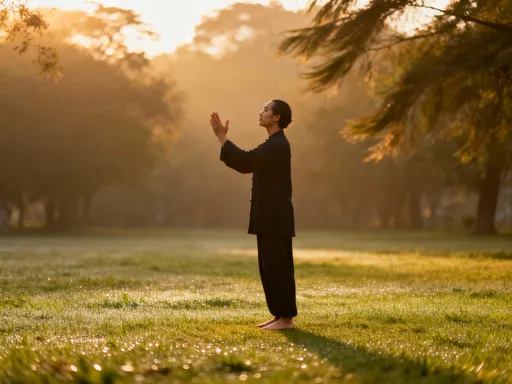
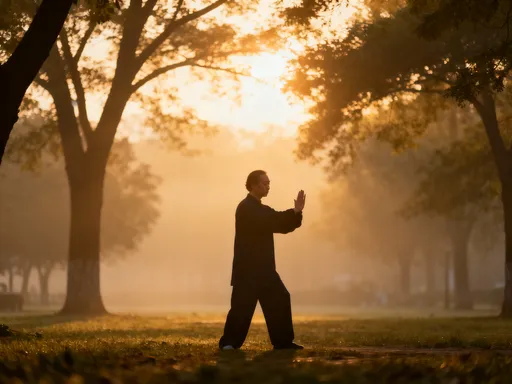
As women age, flexibility and balance naturally decline, but menopause can accelerate these changes. Reduced estrogen affects collagen production, leading to stiffer tendons and ligaments. This increases the risk of strains, falls, and everyday injuries. Yet, flexibility and balance are often treated as optional add-ons rather than core components of fitness. Incorporating regular stretching, yoga, or tai chi can significantly improve joint range of motion, reduce muscle tension, and enhance coordination. These practices also promote mindfulness, helping to manage stress and improve body awareness.
Simple daily stretches—like hamstring reaches, shoulder rolls, and hip openers—can be done at home with no equipment. Holding each stretch for 20–30 seconds helps maintain muscle elasticity. Yoga, even in gentle forms, combines stretching with breath work and balance challenges. Poses such as tree pose, warrior II, and cat-cow not only build physical stability but also foster mental calm. Tai chi, a slow-moving martial art, has been shown to improve balance and reduce fall risk in older adults. These practices are not about performance; they are about preservation and prevention.
Balance training also enhances confidence in daily life. Whether hiking on uneven terrain, carrying children or groceries, or simply walking on slippery surfaces, good balance reduces the fear of falling. Simple exercises like standing on one foot, heel-to-toe walking, or using a balance pad can be incorporated into daily routines. Over time, these small efforts build neuromuscular coordination, making movements more efficient and safe. Prioritizing flexibility and balance is not a sign of slowing down—it’s a strategic investment in long-term independence and quality of life.
Recovery Is Part of the Plan: Rest Without Guilt
In a culture that often equates productivity with worth, rest can feel like failure. Yet, recovery is not the absence of progress—it is a vital part of it. During menopause, the body needs more time to repair, especially after physical activity. Sleep, hydration, and stress management directly influence how well muscles recover, hormones rebalance, and energy is restored. Skimping on rest doesn’t lead to better results; it leads to burnout, injury, and frustration. Reframing rest as an active, intentional part of the fitness journey is essential for sustainable health.
Sleep is perhaps the most powerful recovery tool. During deep sleep, the body releases growth hormone, which supports muscle repair and fat metabolism. Poor sleep, common during menopause due to night sweats and hormonal fluctuations, disrupts this process and increases cortisol. Prioritizing sleep hygiene—such as maintaining a cool bedroom, limiting screen time before bed, and establishing a consistent bedtime routine—can significantly improve recovery. Even short naps, when possible, can help reset the nervous system and restore mental clarity.
Active recovery—light movement on rest days—also plays a role. Gentle activities like walking, stretching, or foam rolling increase blood flow to muscles without adding stress. These practices help reduce soreness and improve mobility. Hydration supports every aspect of recovery, from joint lubrication to toxin removal. Drinking water throughout the day, especially after exercise, ensures the body functions optimally. When women honor their need for rest and recovery, they are not being lazy—they are being strategic. This shift in mindset is key to long-term success.
Building a Routine That Sticks: Real-Life Adjustments
The most effective exercise routine is the one that fits into real life. For women managing careers, families, and personal responsibilities, rigid fitness plans often fail. Instead of aiming for perfection, the focus should be on consistency and adaptability. Starting small—such as five minutes of stretching in the morning or a 10-minute walk after dinner—builds momentum without overwhelm. The goal is to create habits that feel sustainable, not punishing.
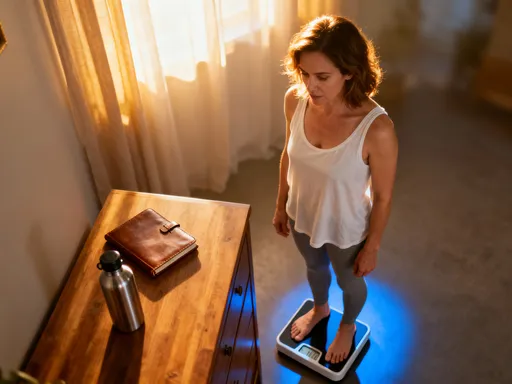
Tracking how you feel—rather than just tracking steps or calories—can provide valuable feedback. Noting energy levels, mood, sleep quality, and joint comfort helps identify what types of movement work best on different days. Some days may call for strength training, others for rest or gentle walking. Flexibility in planning allows for responsiveness to the body’s needs. Using a simple journal or app to record these observations can deepen self-awareness and support long-term adherence.
Integrating movement into daily life increases the likelihood of consistency. Taking the stairs, parking farther away, doing calf raises while brushing teeth, or having walking meetings are all small ways to stay active. Scheduling workouts like appointments—treating them as non-negotiable self-care—helps prioritize them. Enlisting a friend or family member can add accountability and enjoyment. Most importantly, practicing self-compassion when plans change prevents guilt from derailing progress. Fitness during menopause is not about punishment or appearance—it’s about feeling strong, capable, and resilient.
Conclusion
Exercise during menopause isn’t about fighting aging—it’s about supporting your body through change. By choosing smarter movement over sheer effort, you gain more than fitness: better sleep, stable moods, and lasting strength. This isn’t a temporary fix; it’s a new way to honor your body for the long haul. Letting go of outdated fitness ideals—like pushing through pain or equating sweat with success—opens the door to a more sustainable, compassionate approach. When movement is guided by listening, balance, and care, it becomes a source of empowerment rather than exhaustion. This phase of life is not a decline—it’s an opportunity to build a stronger, more resilient foundation for the years ahead. Moving smarter, not harder, is not just a strategy. It’s a promise to yourself—one that pays dividends in energy, confidence, and well-being for decades to come.