How I Fixed My Sleep Cycle with Yoga and Mindfulness — For Real
Ever feel like your body clock is totally out of sync? I was crashing by 8 PM but wide awake at 2 AM — until I tried combining yoga, mindfulness, and a structured daily rhythm. Drawing from principles of Traditional Chinese Medicine, I rebuilt my sleep habits naturally. No pills, no extremes — just small, consistent shifts. This isn’t a quick fix, but it’s the most effective change I’ve ever made. If you’re tired of feeling out of balance, this real-life approach might be exactly what you need.
The Problem: Living Out of Sync with Your Body
Many women in their 30s, 40s, and 50s find themselves caught in a cycle of exhaustion and restlessness. You might feel drained by early evening, only to wake up hours later, unable to fall back asleep. This pattern isn’t just inconvenient — it reflects a deeper misalignment between your lifestyle and your body’s natural rhythms. Common signs of a disrupted sleep-wake cycle include persistent fatigue, difficulty concentrating, irritability, and a sense of being mentally foggy throughout the day. These symptoms often worsen with age, especially during hormonal transitions, but they are not inevitable.
Modern life plays a significant role in throwing our internal clocks off balance. Constant exposure to screens, irregular work schedules, emotional stress, and late-night eating all interfere with the body’s ability to regulate sleep. The blue light from phones and tablets suppresses melatonin, the hormone responsible for signaling sleep, while mental overstimulation keeps the mind active when it should be winding down. Over time, these habits train the nervous system to stay in a state of alertness, making true rest difficult to achieve.
From the perspective of Traditional Chinese Medicine (TCM), the body operates on a 24-hour energy cycle known as the meridian clock. Each organ system is believed to be most active during a two-hour window, governing physical functions and emotional states. For example, the liver’s peak time is between 1 and 3 AM — a period meant for detoxification and emotional processing. When you’re awake during these hours, the liver cannot perform its restorative work efficiently, which may contribute to feelings of frustration, tension, and sleep disturbances. Similarly, the gallbladder is most active from 11 PM to 1 AM, supporting decision-making and emotional clarity. Going to bed before 11 PM allows these systems to function optimally, promoting deeper rest and emotional stability.
When daily habits conflict with this natural rhythm, energy becomes stagnant or depleted. Late dinners, emotional stress before bed, and lack of morning movement can all disrupt the smooth flow of qi (vital energy) through the body. Over time, this imbalance may manifest as chronic insomnia, digestive issues, or mood swings. The good news is that these patterns can be reversed — not through drastic measures, but by gently realigning daily routines with the body’s innate wisdom.
Why Yoga and Meditation Work Where Other Fixes Fail
Many people turn to sleep aids, melatonin supplements, or sleep-tracking apps in hopes of improving rest. While these tools may offer temporary relief, they often fail to address the root cause of sleep disruption: a dysregulated nervous system. Unlike quick fixes, yoga and mindfulness work by restoring balance between the sympathetic nervous system — responsible for the “fight-or-flight” response — and the parasympathetic system, which governs “rest-and-digest” functions. This shift is essential for achieving deep, restorative sleep.
Yoga supports this transition through physical postures, breath control, and mindful awareness. Gentle stretching and controlled breathing activate the vagus nerve, a key component of the parasympathetic nervous system. This helps slow the heart rate, lower blood pressure, and calm the mind. Unlike intense exercise, which can be stimulating, restorative yoga practices emphasize relaxation and awareness, making them ideal for evening routines. Poses such as forward folds, gentle twists, and supported reclining positions signal safety to the body, preparing it for sleep.
Mindfulness meditation complements this process by quieting the mental chatter that often keeps people awake at night. Many women report lying in bed, replaying conversations, worrying about tomorrow, or analyzing past events. This mental activity keeps the brain in a state of arousal, even when the body is tired. Mindfulness teaches the skill of observing thoughts without engaging with them. Over time, this practice reduces rumination and creates mental space, making it easier to let go of the day’s stresses.
Research into mind-body practices has consistently shown that regular yoga and meditation can improve sleep quality, reduce the time it takes to fall asleep, and decrease nighttime awakenings. These benefits are not dependent on dramatic lifestyle changes but on consistent, moderate practice. What makes these methods sustainable is their adaptability — they can be practiced at home, require no special equipment, and can be adjusted to fit individual energy levels and schedules. Unlike sleep medications, they carry no risk of dependency and offer additional benefits for mood, digestion, and overall well-being.
Aligning with Nature: The TCM View of Daily Rhythms
Traditional Chinese Medicine offers a holistic framework for understanding how daily habits influence health. At the core of this system is the belief that the body is deeply connected to natural cycles — the seasons, the moon, and the 24-hour day. The TCM organ clock maps out when each organ system is most active, providing guidance on when to eat, move, rest, and sleep. By aligning daily routines with these rhythms, it becomes possible to support the body’s natural healing processes.
For instance, the lung meridian is strongest between 3 and 5 AM, a time associated with grief and letting go. Waking during this window may indicate unresolved emotional tension. From 5 to 7 AM, the large intestine is active, supporting elimination — a reminder of the importance of morning hydration and gentle movement to encourage healthy digestion. The stomach’s peak time is 7 to 9 AM, making this the ideal window for a nourishing breakfast. Skipping breakfast or eating too late in the morning can weaken digestive function over time, leading to fatigue and bloating.
Midday, from 11 AM to 1 PM, is governed by the heart, which in TCM is linked not only to circulation but also to mental clarity and emotional warmth. This is an optimal time for focused work, but also a moment to pause and reconnect — perhaps with a mindful lunch or a brief breathing exercise. Following this, the small intestine (1 to 3 PM) processes not only food but also information and emotions. Overloading this period with heavy meals or intense mental tasks can lead to mental fatigue and poor decision-making.
The late afternoon and evening hours are crucial for preparing the body for rest. The bladder (3 to 5 PM) and kidney (5 to 7 PM) systems are active during this time, supporting filtration and energy conservation. This is when fatigue may naturally set in, especially if hydration and nutrition have been inadequate. Eating dinner before 7 PM allows the spleen and stomach to complete digestion before the body shifts into rest mode. When meals are too late or too heavy, energy is diverted to digestion during the liver and gallbladder’s nighttime detoxification window, disrupting sleep.
Going to bed before 11 PM supports the gallbladder’s role in processing emotions and making decisions, while also allowing the liver to begin its vital work of cleansing the blood and regulating hormones. Chronic late nights place extra strain on these organs, which may contribute to irritability, hormonal imbalances, and poor sleep quality. By honoring these natural rhythms, women can create a daily structure that supports long-term vitality rather than short-term productivity.
My Morning Reset: Gentle Yoga to Wake the Body
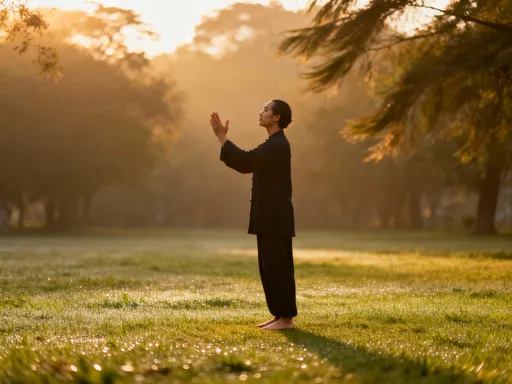
One of the most transformative changes I made was establishing a simple morning yoga routine. Instead of reaching for my phone or coffee, I now dedicate 10 to 15 minutes to gentle movement. This practice helps wake up the body without jolting the system, supporting the spleen and stomach meridians, which are most active between 7 and 9 AM. These organs, in TCM, are responsible for transforming food into energy — a process that begins with mindful awareness, not just physical intake.
My routine starts with cat-cow stretches on the floor. This gentle flow warms up the spine, encourages deep breathing, and stimulates the digestive organs. Each movement is synchronized with the breath — inhaling as the spine arches (cow), exhaling as it rounds (cat). This not only increases circulation but also helps release tension stored in the back and abdomen, areas where stress often accumulates. After several rounds, I move into a modified sun salutation, focusing on smooth transitions rather than speed or intensity. This sequence builds gentle heat in the body and promotes lymphatic flow, supporting immune function.
Next, I incorporate a seated spinal twist, which aids digestion and clears energy blockages in the torso. Twisting motions are believed in TCM to support the liver and gallbladder by promoting the free flow of qi. I hold each side for a few breaths, keeping the movement slow and intentional. Finally, I end with a few minutes of seated meditation, focusing on the breath and setting a calm intention for the day. This practice doesn’t require flexibility or advanced skills — just consistency and presence.
The impact has been profound. I no longer rely on multiple cups of coffee to feel alert. My digestion has improved, and I experience fewer afternoon energy crashes. Most importantly, this routine sets a tone of care and attention that carries through the rest of the day. It’s not about achieving a perfect posture or pushing the body — it’s about listening, honoring, and awakening with kindness.
Daytime Habits That Protect Your Nighttime Peace
Sleep quality is not determined solely by bedtime routines — it’s shaped by choices made throughout the day. One of the most effective changes I adopted was eating dinner before 7 PM. This allows the digestive system to complete its work well before bedtime, reducing the likelihood of restlessness or indigestion. Heavy or spicy meals late at night can generate internal heat, a concept in TCM that refers to excess energy that disrupts sleep. Opting for warm, cooked foods like soups, stews, or steamed vegetables supports digestion and promotes calmness.
After dinner, I take a 15- to 20-minute walk, even if it’s just around the block. This light activity stimulates the spleen and stomach meridians, aiding the breakdown of food and preventing stagnation. In TCM, stagnant digestion is linked to fatigue, bloating, and mental fog. Movement after meals also helps regulate blood sugar, which contributes to stable energy levels and better sleep. This simple habit has made a noticeable difference in how I feel at night — less sluggish, more at ease.
Another key insight from the TCM clock is the importance of honoring the liver’s time during the day. The liver meridian is active from 1 to 3 AM, but it also has a secondary peak between 1 and 3 PM. This midday window is ideal for creative work or problem-solving, but it’s also a time when mental fatigue can set in. Pushing through with caffeine or overworking can deplete liver energy, making it harder to relax at night. Instead, I use this time for a short rest, a mindful break, or a few minutes of deep breathing. Even closing my eyes and focusing on slow inhales and exhales helps reset my nervous system.
I’ve also learned to minimize digital overload, especially in the late afternoon. Constant notifications and screen time scatter mental energy, making it harder to wind down. I now set boundaries — turning off non-essential alerts and stepping away from work emails after 6 PM. These small shifts protect my evening peace and make it easier to transition into rest. By supporting my body’s natural rhythms during the day, I’ve created the conditions for truly restful sleep at night.
Evening Wind-Down: Meditation and Yin Yoga for Deep Rest
The transition from day to night is one of the most important moments for sleep preparation. My evening ritual begins at 8:30 PM with dimming the lights and turning off screens. This signals to my brain that it’s time to shift into rest mode. I then spend 20 minutes practicing yin yoga — a slow, passive form of yoga that targets deep connective tissues and encourages stillness. Poses like child’s pose, supported forward fold, and reclining butterfly are held for several minutes, allowing the body to release tension without effort.
These poses are particularly beneficial for calming the nervous system and nourishing yin energy — a TCM concept referring to the cooling, grounding, and restorative aspect of the body. When yin is deficient, symptoms like night sweats, restlessness, and difficulty falling asleep may arise. Yin yoga helps restore this balance by promoting deep relaxation and reducing internal heat. Using props like cushions or blankets makes the practice accessible and comfortable, especially for those with joint sensitivity or limited flexibility.
After yoga, I practice a simple breath-focused meditation. I sit or lie down in a comfortable position and bring my attention to the natural rhythm of my breath. When thoughts arise, I acknowledge them without judgment and gently return to the breath. This practice doesn’t aim to stop thinking — it aims to create space between thoughts and reactions. Over time, this has reduced my nighttime mental chatter and made it easier to fall asleep.
On nights when sleep feels elusive, I use a technique called “4-7-8” breathing: inhaling for 4 counts, holding for 7, and exhaling slowly for 8. This pattern activates the parasympathetic nervous system and induces a state of calm. I don’t force sleep — I trust the process. As a result, I fall asleep faster and experience fewer awakenings. This routine has become a non-negotiable part of my self-care, as essential as brushing my teeth.
Making It Stick: Small Shifts, Big Results Over Time
Change doesn’t happen overnight, and perfection is not the goal. What matters most is consistency. I started with just three days a week of morning yoga and a simple evening breath practice. Over time, these habits became natural, and I gradually added more elements. The key is to begin small and build gradually. Even dedicating 10 minutes a day to mindfulness or gentle movement can shift your rhythm over weeks.
I’ve learned to track my progress not by rigid metrics, but by how I feel. Do I wake up with more energy? Am I less reactive to stress? Do I fall asleep more easily? These subtle shifts are powerful indicators of progress. I keep a simple journal where I note my energy levels, sleep quality, and mood. This helps me recognize patterns and adjust when needed — for example, if I notice increased restlessness after late dinners, I know to return to an earlier mealtime.
Setbacks are normal. Travel, family demands, or stressful events can disrupt routines. When this happens, I practice self-compassion. I don’t view a missed practice as failure — I see it as information. The goal is not to be perfect, but to return gently to the rhythm. Even one mindful breath or a single yoga pose can recenter me.
Patience is essential. Real balance takes weeks, sometimes months, to establish. But the rewards are lasting: deeper sleep, clearer thinking, and a greater sense of well-being. This approach isn’t about rigid rules or extreme discipline — it’s about cultivating a relationship with your body, listening to its needs, and honoring its natural wisdom.
True well-being isn’t about extreme routines — it’s about harmony. By blending yoga, mindfulness, and TCM wisdom, I didn’t just fix my sleep; I reclaimed my energy and clarity. This path isn’t about rigid rules, but listening to your body. When you align with your natural rhythm, rest becomes effortless, and vitality returns — naturally.