How I Tamed My Stress with Simple Qigong Moves
Ever feel like your emotions are running the show? I’ve been there—overwhelmed, anxious, and stuck in a loop of stress. That changed when I discovered qigong, an ancient Chinese practice that quietly reshaped my emotional resilience. No hype, no quick fixes—just breath, movement, and presence. This is how I learned to reset my mood, stay grounded, and reclaim calm in daily life, all through simple, practical qigong techniques anyone can try.
The Emotional Rollercoaster: Why Modern Life Drains Our Balance
Many women in their 30s to 55s find themselves navigating a constant swirl of responsibilities—managing households, supporting families, meeting work demands, and tending to personal health—all while trying to maintain a sense of self. It's no wonder emotional exhaustion has become a quiet epidemic. Feelings of chronic stress, irritability, low-grade anxiety, and mental fatigue are not just occasional visitors; for many, they’ve become daily companions. The World Health Organization recognizes stress as a global health concern, and research consistently links prolonged emotional strain to physical symptoms such as headaches, digestive issues, weakened immunity, and disrupted sleep.
From a Western medical standpoint, the mind and body are deeply interconnected. When the brain perceives stress, it triggers the hypothalamic-pituitary-adrenal (HPA) axis, releasing cortisol and adrenaline—hormones designed for short-term survival, not long-term emotional load. Over time, this constant activation wears down the body’s regulatory systems, increasing the risk of hypertension, cardiovascular concerns, and metabolic imbalances. But traditional Chinese medicine (TCM) offers a complementary lens, one that views emotional health through the flow of vital energy, or Qi (pronounced “chee”). In TCM, emotions are not merely psychological states—they are energetic forces that influence the function of internal organs.
For example, prolonged anger is associated with stagnation in the liver’s Qi, while excessive worry affects the spleen and digestive function. Grief impacts the lungs, and fear resonates with the kidneys. When emotions are unexpressed or repeatedly triggered, the smooth circulation of Qi becomes disrupted, leading to what practitioners call “energy blockages.” These imbalances may first appear as subtle shifts in mood or energy levels but can eventually manifest as physical discomfort or chronic conditions. The beauty of qigong lies in its ability to address both the emotional and energetic roots of imbalance, offering a gentle yet powerful way to restore harmony.
What Is Qigong? More Than Just Movement
Qigong (pronounced “chee-gong”) is a holistic practice rooted in over 2,000 years of Chinese healing tradition. The term combines “Qi,” meaning vital energy, and “gong,” meaning cultivation or skill developed through practice. At its core, qigong is a mind-body discipline that integrates gentle physical movements, regulated breathing, and focused intention to enhance the flow of energy throughout the body. Unlike high-intensity workouts or complex fitness regimens, qigong emphasizes softness, slowness, and awareness. It is accessible to people of all ages and fitness levels, requiring no special equipment or prior experience.
Historically, qigong was used by monks, healers, and martial artists to promote longevity, prevent illness, and cultivate inner strength. Over centuries, it evolved into various forms—some designed for healing, others for spiritual development or physical endurance. Today, medical qigong is recognized in integrative health settings as a supportive practice for managing chronic conditions, improving balance, and reducing stress. Importantly, qigong is not a religion. While it draws from philosophical traditions like Taoism and Confucianism, modern qigong practice is secular and adaptable to any belief system.
It’s often compared to yoga or tai chi, and while there are similarities, each has a distinct focus. Yoga, originating in India, often emphasizes postures (asanas) and flexibility, with varying degrees of spiritual context depending on the style. Tai chi is a martial art performed in slow motion, with flowing sequences that improve coordination and strength. Qigong, by contrast, can be simpler and more repetitive, making it easier to learn and integrate into daily life. A single qigong exercise might be practiced for several minutes with minimal movement, allowing the practitioner to focus deeply on breath and internal sensation. This makes it especially effective for calming the nervous system and cultivating emotional awareness.
The Science Behind Calm: How Qigong Affects the Nervous System
While qigong has ancient roots, modern science is increasingly validating its benefits. One of the most well-documented effects is its ability to activate the parasympathetic nervous system—the body’s “rest and digest” mode. When we’re stressed, the sympathetic nervous system takes over, preparing us for fight or flight. But in today’s world, this response is often triggered by non-life-threatening situations—traffic jams, work deadlines, family conflicts—leaving the body in a prolonged state of alertness. Qigong helps shift the balance back by encouraging slow, diaphragmatic breathing and mindful movement, both of which signal safety to the brain.
Studies published in journals such as Frontiers in Psychology and Complementary Therapies in Medicine have shown that regular qigong practice leads to measurable reductions in cortisol, the primary stress hormone. Participants report lower levels of anxiety and improved mood, with some experiencing benefits after just a few weeks of consistent practice. Heart rate variability (HRV), a key indicator of autonomic nervous system flexibility, also tends to improve. Higher HRV is associated with better emotional regulation, resilience, and overall cardiovascular health.
The mechanism behind these changes lies in the mind-body feedback loop. When we consciously slow our breath and relax our muscles, the body sends signals to the brain that we are safe. In turn, the brain reduces stress-related activity in the amygdala, the region responsible for processing fear and threat. Over time, this creates new neural pathways that make it easier to remain calm under pressure. Qigong also enhances interoception—the ability to sense internal bodily states—allowing practitioners to recognize early signs of emotional distress, such as shallow breathing or muscle tension, and respond before stress escalates. This awareness is a crucial skill for emotional self-regulation, especially for women juggling multiple roles and responsibilities.
Qigong for Emotional Flow: Aligning Qi to Soothe the Mind
In traditional Chinese medicine, emotional health is not separate from physical health—it is an integral part of it. Each organ system is associated with a particular emotion, and when Qi flows freely, emotions arise and pass naturally, like weather patterns. But when Qi becomes stagnant or imbalanced, emotions can become stuck, leading to chronic irritability, sadness, or anxiety. For instance, liver Qi stagnation—often caused by frustration or unexpressed anger—can result in tension in the shoulders, menstrual discomfort, or difficulty sleeping. Similarly, spleen Qi deficiency, linked to overthinking and worry, may contribute to fatigue and digestive issues.
Qigong works by gently moving and unblocking Qi, restoring balance to these energetic systems. Specific movements are designed to target particular meridians (energy pathways) and organ networks. For example, side-stretching motions help release liver Qi, while abdominal breathing supports spleen and stomach function. The practice does not suppress emotions; rather, it creates space for them to be felt, processed, and released in a healthy way. This aligns with modern psychology’s emphasis on emotional acceptance and regulation.
One of the most powerful aspects of qigong is its emphasis on intention, or Yi. In every movement, practitioners are encouraged to focus their mind on the flow of energy, visualizing warmth, light, or ease moving through the body. This mental focus enhances the therapeutic effect, reinforcing the connection between thought, breath, and physical sensation. Over time, this cultivated awareness extends beyond practice sessions, helping individuals respond to emotional challenges with greater clarity and calm. For women who often put others’ needs before their own, qigong offers a rare opportunity to turn inward, listen to the body, and honor emotional truth without judgment.
Three Practical Qigong Techniques Anyone Can Try
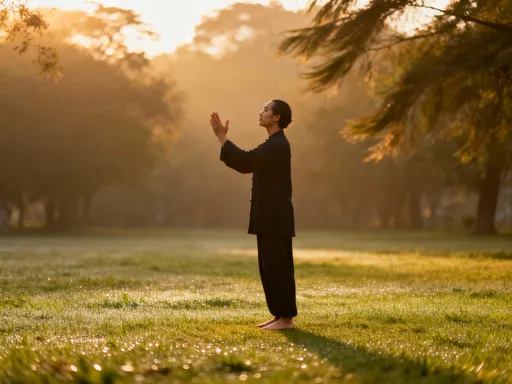
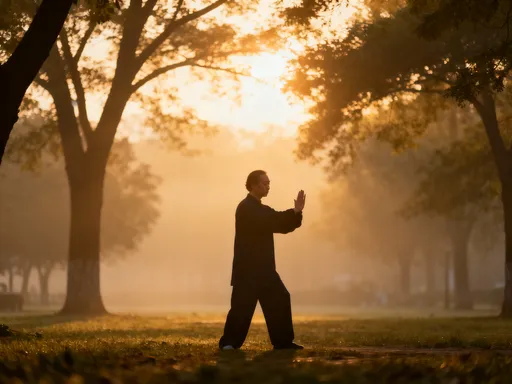
One of the most accessible qigong practices is Standing Like a Tree (Zhan Zhuang). This simple yet profound exercise involves standing with feet shoulder-width apart, knees slightly bent, arms rounded as if hugging a large ball, and the spine aligned. The breath is slow and deep, originating from the lower abdomen. The eyes are softly focused downward, and the mind is gently attentive to the present moment. Though it may seem passive, this posture builds internal strength, improves posture, and calms the nervous system. Practicing for just five to ten minutes daily can enhance grounding and emotional stability. A common mistake is tensing the shoulders or holding the breath; the key is to remain relaxed while maintaining structure.
Another effective technique is Lifting the Sky, a flowing movement that promotes the circulation of Qi throughout the body. Begin with hands at the sides, palms down. Inhale as you slowly raise the arms in front of you, turning the palms upward as they rise toward the sky. At the peak of the motion, gently stretch upward through the fingertips, then exhale as you lower the arms back down, imagining energy flowing down the body and into the earth. This movement opens the chest, releases tension in the shoulders, and uplifts the spirit. It can be repeated 6 to 9 times, depending on comfort. Some practitioners report a sense of lightness or warmth during and after the exercise, a sign of improved energy flow.
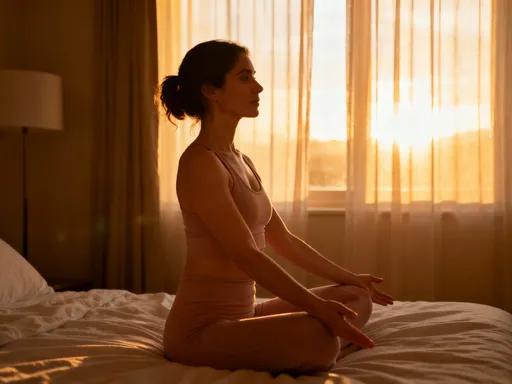
The Six Healing Sounds is a unique qigong method that combines breath with gentle vocalizations to release emotional stagnation in specific organs. Each sound corresponds to an organ and its associated emotion: for example, the “Shhh” sound for the liver (anger), “Haw” for the spleen (worry), and “Sss” for the lungs (grief). To practice, sit comfortably, inhale deeply, and on the exhale, make the sound softly while placing a hand on the corresponding area. The vibration and breath help release tension and restore balance. These sounds are not loud or forceful—they are whispered or hummed with intention. Beginners may feel self-conscious at first, but with practice, the technique becomes a powerful tool for emotional release.
Consistency is more important than duration. Starting with just five minutes a day allows the body and mind to adapt. It’s helpful to choose a quiet time—early morning or before bed—and a dedicated space, even if it’s just a corner of the living room. Wearing comfortable clothing and removing distractions like phones can deepen focus. Some women find it helpful to pair qigong with a daily ritual, such as after brushing their teeth or before preparing dinner. Over time, the practice becomes less of a task and more of a cherished moment of self-care.
Building a Sustainable Practice: From Curiosity to Daily Habit
Starting a new wellness practice can be exciting, but maintaining it often presents challenges. Time constraints are a common barrier, especially for women managing busy households. Others may feel skeptical about the benefits or become discouraged if results aren’t immediate. Impatience is natural—many of us are conditioned to expect quick fixes. But qigong is not a sprint; it’s a gentle, gradual process. The changes are often subtle: a slightly calmer reaction to a child’s tantrum, a deeper breath before responding to an email, or a more restful night’s sleep.
To overcome these obstacles, it’s essential to set realistic expectations. Begin with just three to five minutes a day. Even a short session can reset the nervous system and create a ripple effect throughout the day. Integrating qigong into an existing routine increases the likelihood of consistency. For example, practicing Standing Like a Tree while waiting for the kettle to boil or doing a few rounds of Lifting the Sky after hanging up laundry turns everyday moments into opportunities for renewal. Tracking progress can also be motivating—not through numbers or metrics, but by noticing small shifts in mood, energy, or resilience.
Many women report that after several weeks of regular practice, they feel more centered and less reactive. They notice they’re better able to pause before responding in stressful situations, rather than reacting impulsively. Some experience improved digestion, reduced muscle tension, or a greater sense of inner peace. These benefits accumulate over time, reinforcing the habit. It’s also helpful to approach qigong with curiosity rather than pressure. Some days the practice will feel effortless; other days, the mind may be restless. That’s normal. The goal is not perfection, but presence. Each time you return to your breath and movement, you strengthen your capacity for emotional balance.
Beyond the Mat: Living with Qigong Awareness
The true power of qigong extends beyond formal practice. It cultivates a mindset of mindful awareness that can be carried into daily life. Simple techniques, such as taking three deep abdominal breaths before answering the phone or pausing to feel the feet on the ground during a walk, become anchors in moments of stress. These micro-practices help interrupt automatic reactions and restore a sense of control. Emotional check-ins—asking oneself, “How am I feeling right now?” and “Where do I feel tension?”—become natural habits, allowing for early intervention before stress escalates.
Qigong teaches that calm is not the absence of challenges, but the ability to remain centered within them. For women who often serve as the emotional anchors of their families, this skill is invaluable. By caring for their own energy, they are better equipped to support others without depleting themselves. The practice also fosters self-compassion, reminding practitioners that it’s okay to slow down, to rest, and to prioritize well-being. Over time, qigong becomes less of a routine and more of a way of being—a quiet companion on the journey toward greater resilience and peace.
It’s important to note that while qigong is a powerful tool for emotional and physical health, it is not a substitute for professional medical or mental health care. Women experiencing persistent anxiety, depression, or other mental health concerns should seek support from qualified healthcare providers. Qigong can complement therapy, medication, or counseling, offering a natural, empowering way to enhance overall well-being. When used alongside professional care, it can improve treatment outcomes and provide a sense of agency in the healing process.