Why I Stopped Chasing Sleep — My Real Fix for Better Rest
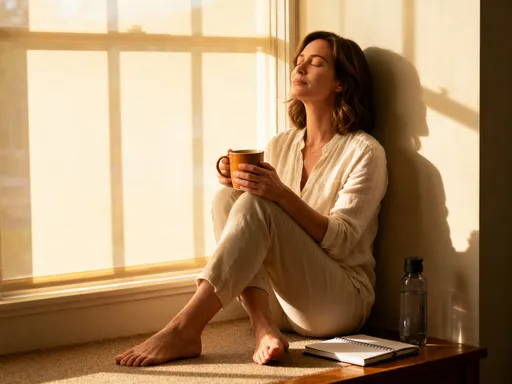
For years, I thought good sleep meant forcing myself to relax, counting sheep, or downing herbal teas. But nothing worked—until I realized I was making the same mistakes everyone else does. Insomnia isn’t just about what happens at night; it’s shaped by your habits, mindset, and daily routine. This is my journey through trial, error, and real change, sharing what actually helped me reclaim rest—without gimmicks or false promises. I didn’t need another supplement, app, or expensive mattress. I needed to understand how sleep truly works and how my own behaviors were getting in the way. What I discovered wasn’t complicated, but it was transformative.
The Sleep Struggle Nobody Talks About
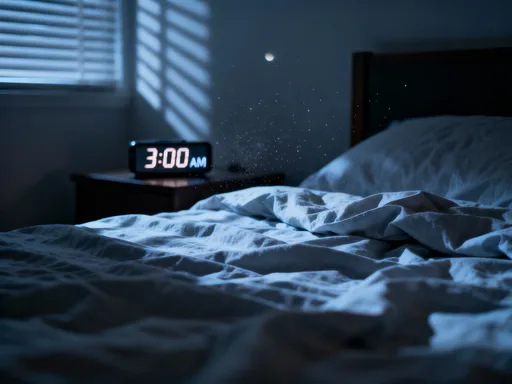
Chronic sleeplessness is more than just tossing and turning. It’s the heavy fatigue that drags through your mornings, the brain fog that makes reading a sentence feel like a chore, and the low mood that creeps in even on sunny days. Many women in their 30s, 40s, and 50s know this feeling well. They lie in bed exhausted, eyes closed, yet wide awake—mentally replaying conversations, worrying about family, or planning tomorrow’s tasks. The irony is painful: the harder they try to sleep, the more elusive it becomes.
This silent struggle often goes unspoken, dismissed as just part of aging or being a busy woman. But sleep disruption is not a normal phase to accept. It affects concentration, weakens immunity, and increases the risk of long-term health issues like high blood pressure and metabolic imbalance. What’s worse, many turn to quick fixes—extra coffee in the afternoon, melatonin gummies, or late-night screen scrolling—that only deepen the cycle of poor rest.
The truth is, most common solutions fail because they treat symptoms, not causes. Drinking chamomile tea might feel soothing, but if your mind is racing from unresolved stress or your body clock is thrown off by inconsistent wake times, no herbal infusion will override biology. Sleep isn’t something you can force like a schedule; it’s a state your body enters when conditions are right. And those conditions are built long before bedtime.
Myths That Keep You Up at Night
One of the biggest obstacles to better sleep isn’t poor habits—it’s misinformation. Many people carry rigid beliefs about sleep that actually increase anxiety. The most common? That everyone must get exactly eight hours. While eight hours is a useful average, individual needs vary. Some feel rested on seven; others need closer to nine. Fixating on a number turns sleep into a performance, creating pressure that makes relaxation impossible.
Another myth is that your bed should be used only for sleep. While this advice comes from sleep science, it’s often misunderstood. The real issue isn’t occasionally reading in bed—it’s using the bed for activities that stimulate the mind, like working, arguing, or scrolling through stressful news. When the brain begins to associate the bed with alertness, falling asleep becomes a battle against conditioning.
And while screen time is often blamed as the main villain, it’s not the blue light alone that disrupts sleep. It’s the emotional content—checking emails, seeing upsetting headlines, or engaging in heated social media threads—that keeps the nervous system activated. A 10-minute calm photo review of family pictures may be less harmful than a five-minute argument on a messaging app before bed.
Equally damaging is the habit of self-diagnosing based on trends. One week, everyone’s talking about adrenal fatigue; the next, it’s histamine intolerance affecting sleep. Without medical evaluation, these labels can lead to unnecessary restrictions and fear around normal bodily experiences. Sleep anxiety grows when we believe we have a hidden condition we can’t control. The reality is, most sleep issues stem from lifestyle patterns, not rare disorders.
The Hidden Triggers You’re Probably Missing
If you’re struggling to sleep, look beyond the bedroom. Daytime habits play a far bigger role than most realize. Consider caffeine: it’s not just about how much you drink, but when. Even if you stop at noon, sensitive individuals may still feel effects 10 hours later. The half-life of caffeine varies by person, and for some, it lingers long enough to interfere with the ability to fall asleep, even if they don’t feel jittery.
Light exposure is another overlooked factor. Natural daylight in the morning helps regulate your circadian rhythm—the internal clock that tells your body when to feel alert and when to wind down. Women who work indoors or start the day in dim light may not get enough morning brightness, weakening their natural sleep-wake signals. Later, exposure to bright overhead lights or screens in the evening can further confuse the body’s expectations.
Then there’s stress stacking—the accumulation of small stressors throughout the day that don’t feel overwhelming in the moment but build up silently. A delayed commute, a child’s tantrum, a tense work email—each adds a layer. By bedtime, the nervous system is still in a state of low-grade alertness, even if the mind feels tired. This is why you can be exhausted physically but mentally alert.
Perhaps the most underestimated habit is inconsistent wake times. While people obsess over bedtime, it’s the time you get up that anchors your rhythm. Sleeping in on weekends, even by an hour or two, shifts your internal clock and makes it harder to fall asleep the next night. Regularity—not perfection—is what trains your body to expect sleep at the right time.
Why Your Bed Might Be Working Against You
Your bed should be a signal for sleep, but for many, it’s become a hub for everything except rest. Working from bed, watching TV under the covers, or scrolling through phones creates a powerful mental association: bed equals wakefulness. This is known in sleep science as stimulus control, and when it’s weakened, the brain no longer responds automatically to the bed as a cue for sleep.
Imagine training a dog to sit by giving a treat every time it obeys. Now imagine giving the treat when it stands, jumps, or barks. The signal becomes confusing. The same happens with sleep. If you spend hours in bed awake, your brain learns that being in bed doesn’t mean it’s time to sleep. The result? Lying there, frustrated, waiting for something that won’t come.
The solution is to rebuild that association. This means using the bed only for sleep and intimacy—nothing else. If you can’t fall asleep within 20 minutes, get up and go to another dimly lit room. Read a physical book or practice quiet breathing until you feel sleepy, then return to bed. Over time, this teaches the brain that bed is for sleeping, not for worrying or waiting.
It also helps to reserve the bedroom for rest. Avoid eating, working, or having emotionally charged conversations in the space. Keep it cool, quiet, and clutter-free. These environmental cues reinforce the message that this is a place for recovery, not activity. The goal isn’t austerity—it’s clarity. When your surroundings consistently support one purpose, your body follows.
The Wind-Down Routine That Actually Works
Most sleep advice stops at “relax before bed,” but that’s too vague to be useful. What does relaxation mean when your mind is full of unfinished tasks? A wind-down routine isn’t about adding more to your day—it’s about creating intentional transitions that signal to your body that the day is ending.
Start with a digital sunset—turning off screens at least 60 minutes before bed. This isn’t just about reducing light; it’s about ending mental engagement. Instead of scrolling, try a simple ritual: light stretching, sipping warm water with lemon, or writing down three things you’re grateful for. These small acts create a buffer between the busyness of the day and the stillness of sleep.
Another powerful tool is mental dumping. Keep a notebook by your bed and spend five minutes writing down thoughts, worries, or tomorrow’s to-dos. This isn’t journaling for insight—it’s offloading. When your brain knows the list is captured, it doesn’t need to keep rehearsing it. This reduces the nighttime rumination that keeps so many women awake.
Consistency matters more than complexity. You don’t need candles, music, or a 30-step routine. What matters is doing the same few things in the same order every night. Over time, your body begins to recognize the sequence as a signal: sleep is coming. It’s like training a muscle—repetition builds automaticity. The routine becomes a bridge from wakefulness to rest, not another source of pressure.
When to Trust (and When to Question) Sleep Aids
Not all sleep aids are created equal. Some, like white noise machines, blackout curtains, or cooling pillows, support the environment without altering body chemistry. These tools can be helpful, especially in noisy or bright homes. They work by reducing disruptions, not by forcing sleep. Used wisely, they remove barriers rather than create dependency.
Others, like over-the-counter supplements or alcohol, are riskier. Melatonin is often seen as a natural fix, but it’s a hormone that regulates timing, not sleepiness. Taking it without understanding your circadian rhythm can shift your clock in unintended ways. Valerian root, magnesium, or CBD products may help some, but research is mixed, and quality varies widely. What works for one person may do nothing—or even cause grogginess—for another.
Alcohol is especially deceptive. While it may make you feel drowsy, it disrupts sleep architecture, reducing REM sleep and increasing awakenings later in the night. It’s not a solution—it’s a saboteur. Relying on any substance to fall asleep trains the brain to believe it can’t rest without help, which undermines long-term confidence in your own ability to sleep naturally.
If insomnia persists despite good habits, it’s time to consult a healthcare provider. Chronic sleep issues can sometimes be linked to medical conditions like sleep apnea, restless legs syndrome, or hormonal shifts during perimenopause. A professional can help identify underlying causes and recommend evidence-based treatments, such as cognitive behavioral therapy for insomnia (CBT-I), which has been shown to be more effective than medication in the long term.
Building a Life That Supports Sleep—Not Fights It
Sleep doesn’t exist in isolation. It’s part of a larger ecosystem that includes movement, nutrition, emotional well-being, and daily structure. Women who prioritize walks in daylight, eat balanced meals, and manage mental load through planning or delegation often find sleep improves naturally. Movement during the day helps regulate energy and stress hormones; balanced blood sugar prevents nighttime awakenings; and lower mental clutter reduces bedtime rumination.
The key shift is moving from chasing sleep to creating the conditions for it. Instead of lying in bed trying to force rest, focus on building a day that makes sleep inevitable. Wake at the same time every morning, get morning light, stay active, and manage stress through mindfulness or simple breathing exercises. These habits don’t guarantee perfect sleep every night—but they increase the odds dramatically.
It’s also important to release the pressure to be perfect. Some nights will still be restless, and that’s okay. The goal isn’t flawless rest but resilience—the ability to return to balance. When you stop treating sleep as a problem to solve and start seeing it as a reflection of your overall life, the anxiety fades. You begin to trust your body again.
Long-term, sustainable rest comes from consistency, not control. It’s not about following a rigid set of rules but about making small, science-backed choices that align with your biology. Over time, these choices compound. You stop counting hours and start noticing how you feel—more focused, more patient, more present. That’s the real reward of better sleep.
True sleep improvement isn’t about quick fixes—it’s about rewiring habits, releasing pressure, and aligning your life with your body’s needs. What changed everything for me wasn’t one magic trick, but a series of small, science-backed choices. You don’t have to suffer in silence or force yourself into rigid rules. By avoiding common pitfalls and building sustainable routines, better rest becomes not just possible, but natural.