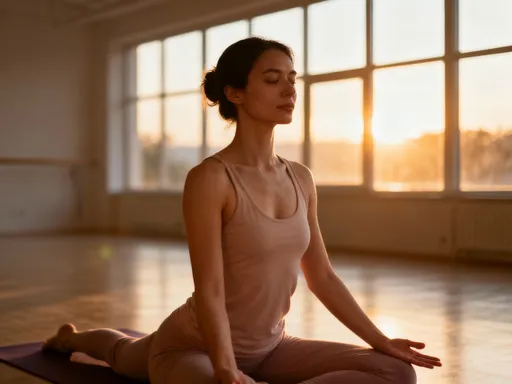
Breathe, Move, Prevent: My Simple Yoga & Mindfulness Fix
Ever feel like your body’s always on high alert? I used to—until I discovered how simple yoga and mindfulness, inspired by traditional Chinese wellness, can actually help prevent illness before it starts. No extreme poses or hours of silence. Just gentle moves and breathing that fit into real life. I’m sharing what I tested and how it changed my energy, sleep, and stress—because staying healthy shouldn’t feel hard. Over time, these small practices became my foundation for resilience. They didn’t erase life’s challenges, but they gave me a way to meet them without breaking down. This isn’t about perfection; it’s about presence, consistency, and caring for your body in ways that last.
The Hidden Cost of Daily Stress
Chronic stress is one of the quietest, yet most damaging, forces affecting health today. Unlike acute stress—which the body can manage in short bursts—chronic stress lingers, often unnoticed, wearing down the body’s defenses over time. For many women between 30 and 55, this type of stress comes from juggling family, work, household duties, and personal well-being. The body responds to these demands as if they were physical threats, activating the same survival mechanisms used by ancestors facing real danger. This triggers the release of cortisol and adrenaline, hormones designed to prepare the body for action. While helpful in emergencies, when these hormones remain elevated day after day, they begin to interfere with normal bodily functions.
One of the most significant impacts of prolonged stress is on the immune system. Research shows that high cortisol levels suppress immune activity, making the body more vulnerable to infections and slower to heal. This means that someone under constant stress may catch colds more often, take longer to recover from illness, or experience more frequent flare-ups of chronic conditions like allergies or digestive issues. The connection between stress and illness isn’t just theoretical—it’s measurable. A study published in the journal Psychosomatic Medicine found that individuals reporting higher levels of psychological stress were more likely to develop respiratory infections when exposed to viruses, confirming that mental strain directly affects physical resilience.
Beyond immunity, chronic stress contributes to a range of preventable health concerns. Elevated blood pressure is a common outcome, as stress causes blood vessels to constrict and heart rate to increase. Over time, this raises the risk of cardiovascular problems, even in otherwise healthy individuals. Digestive health is also deeply affected. The gut, often called the “second brain,” communicates closely with the central nervous system. When stress disrupts this communication, it can lead to symptoms like bloating, constipation, or irritable bowel syndrome. Sleep, too, suffers under sustained tension. Many women in this age group report difficulty falling asleep or staying asleep, not because of a medical disorder, but because their minds remain in a state of hyper-vigilance long after the day has ended.
The good news is that the mind-body connection works both ways. Just as stress can harm health, calming the mind can actively support healing and prevention. This doesn’t require drastic lifestyle changes or expensive treatments. Small, intentional practices—like mindful breathing or gentle movement—can signal to the body that it is safe, allowing the nervous system to shift from a state of constant alert to one of rest and repair. By recognizing stress not just as an emotional experience but as a physiological event, women can begin to take practical steps to protect their long-term well-being.
Why Simplicity Wins in Prevention
In a world full of health trends, supplements, and complex fitness regimens, it’s easy to believe that staying healthy requires major effort. Yet, the most effective prevention strategies are often the simplest. Traditional Chinese wellness practices, rooted in centuries of observation and balance, emphasize harmony over intensity. The concept of 预防胜于治疗—“prevention is better than cure”—lies at the heart of this philosophy. Rather than waiting for symptoms to appear, the focus is on maintaining equilibrium through daily habits that support the body’s natural rhythms. These practices don’t demand hours of commitment or special equipment. Instead, they thrive on consistency, accessibility, and ease.
One reason complicated routines fail is burnout. Many women start with good intentions—joining a rigorous yoga class, committing to hour-long meditation sessions, or following strict diets—only to abandon them within weeks. The gap between aspiration and reality grows when life gets busy. A sick child, a work deadline, or an unexpected obligation can derail even the best-laid plans. When health habits feel like another chore, they become a source of guilt rather than support. This is where simplicity becomes powerful. A two-minute breathing exercise, a five-minute stretch, or a moment of quiet awareness during a coffee break are small acts that can be sustained through life’s ups and downs. They don’t require perfection, just presence.
Traditional Chinese养生 (yangsheng), or “nourishing life,” teaches that health is built through regular, gentle actions. These include aligning with natural cycles, eating with the seasons, moving the body daily, and cultivating inner calm. The goal isn’t to achieve a perfect state but to maintain flow—like water moving steadily through a stream, not crashing like a wave. This approach values rhythm over intensity, making it far more sustainable than extreme measures. For example, instead of pushing the body to its limits in a high-intensity workout, yangsheng encourages moderate movement that enhances circulation and supports organ function without causing strain.
Scientific research supports this idea. Studies on habit formation show that behaviors are more likely to stick when they are easy to perform and integrated into existing routines. A review published in the European Journal of Social Psychology found that it takes an average of 66 days for a new behavior to become automatic—but only if the behavior is simple and consistently repeated. This means that a five-minute morning breath practice done every day is more effective for long-term health than an hour-long session done once a week. Simplicity isn’t about doing less for the sake of convenience; it’s about choosing what lasts. When prevention becomes a seamless part of daily life, it stops being a burden and starts being a gift.
Yoga That Fits Your Life—Not the Other Way Around
Yoga is often portrayed as a practice for the flexible, the young, or the spiritually advanced. But in its truest form, yoga is for everyone—especially those seeking balance in a demanding life. The kind of yoga that supports prevention isn’t about mastering difficult poses or achieving perfect alignment. It’s about reconnecting with the body, improving circulation, and calming the nervous system through gentle, intentional movement. For women in their 30s, 40s, and 50s, this means choosing postures that support joint health, spinal mobility, and breath awareness without strain.
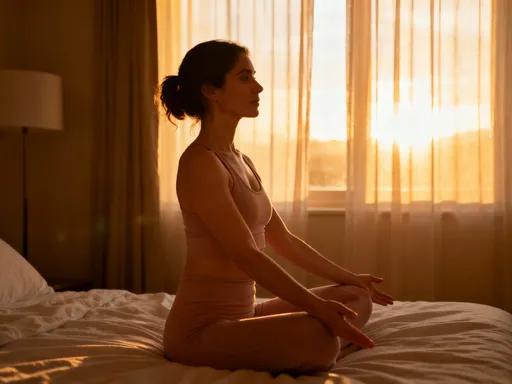
A simple morning sequence can set the tone for the day. Begin by sitting on the edge of the bed or a sturdy chair, feet flat on the floor. Inhale slowly as you raise your arms overhead, then exhale as you fold forward, letting your hands rest on your knees or shins. This gentle flow—called a seated cat-cow or chair-based stretch—warms up the spine and encourages deep breathing. Repeat for five rounds, moving slowly with each breath. This takes less than three minutes but activates the diaphragm, improves oxygen flow, and signals the body to transition from sleep to wakefulness in a peaceful way.
Another accessible posture is the supported bridge pose. Lie on your back with your knees bent and feet flat on the floor. Place a pillow or yoga block under your hips, allowing your lower back to relax. Rest your arms at your sides, palms facing up. Stay in this position for 3–5 minutes while focusing on slow, even breaths. This pose gently opens the chest, relieves lower back tension, and promotes venous return—helping blood circulate more efficiently from the legs back to the heart. It’s especially helpful for those who spend long hours sitting, whether at a desk or in a car.
For midday energy slumps, try a standing forward bend with support. Stand with your feet hip-width apart and fold forward, resting your forearms on a table or the seat of a chair. Let your head hang heavy and your shoulders release. This inversion calms the nervous system by encouraging blood flow to the brain while stretching the back of the legs and spine. Even one minute in this position can refresh the mind and reduce mental fatigue. The key is not how deep the stretch feels, but how present you are in the moment. Yoga, at its core, is not about performance—it’s about awareness. When practiced regularly, even in small doses, it builds resilience from the inside out.
Breath as Your Built-In Reset Button
Breathing is something we do constantly, yet most people rarely pay attention to how they breathe. Shallow, rapid breaths—common during stress—activate the sympathetic nervous system, keeping the body in a state of alert. In contrast, slow, deep diaphragmatic breathing stimulates the parasympathetic nervous system, which governs rest, digestion, and recovery. This shift is not just psychological; it’s physiological. Controlled breathing can lower heart rate, reduce blood pressure, and decrease levels of stress hormones like cortisol. The best part? It’s always available, requires no tools, and can be done anywhere—at home, in the car, or even in a restroom stall during a busy workday.
One effective method is the 4-7-8 breathing technique. Sit or lie down in a comfortable position. Close your eyes if possible. Inhale quietly through your nose for a count of four. Hold the breath for a count of seven. Then exhale slowly and completely through your mouth for a count of eight, making a soft whooshing sound. This completes one cycle. Repeat for four rounds. The extended exhale is key—it triggers the vagus nerve, a major component of the parasympathetic system, signaling the body to relax. Many women report feeling calmer after just one round, with clearer thinking and reduced muscle tension.
In Traditional Chinese Medicine, breath is closely linked to Qi (pronounced “chee”), the vital energy that flows through the body along meridians. Smooth, rhythmic breathing helps maintain the free flow of Qi, supporting organ function and emotional balance. When Qi becomes stagnant—often due to stress, inactivity, or poor posture—it can lead to fatigue, mood swings, or physical discomfort. Conscious breathing acts like a gentle current, moving Qi through the body and clearing blockages. You don’t need to believe in Qi to benefit from this practice; the physical effects of deep breathing are well-documented in modern science.
Integrating breathwork into daily life doesn’t require setting aside large blocks of time. Try pairing it with routine activities: take four slow breaths while waiting for the kettle to boil, practice one round of 4-7-8 breathing before checking your phone in the morning, or use deep breaths to transition between tasks. Over time, this builds a habit of self-regulation. Instead of reacting to stress with tension, you learn to respond with calm. Breath becomes a built-in reset button—a simple, powerful tool that puts you back in control of your nervous system.
Mindfulness Without the Mystique
Mindfulness is often misunderstood as a spiritual or meditative practice reserved for monks or retreat-goers. In reality, mindfulness is simply the act of paying attention to the present moment without judgment. It can be practiced while washing dishes, walking the dog, or folding laundry. The goal isn’t to empty the mind, but to notice what’s happening right now—the feel of water on your hands, the sound of birds outside, the rhythm of your footsteps. This kind of awareness breaks the cycle of rumination, where the mind gets stuck replaying the past or worrying about the future.
For women managing multiple responsibilities, mindfulness offers a way to reclaim mental space. When attention is scattered, the brain consumes more energy, leading to mental fatigue and decision fatigue. By focusing on one thing at a time, even briefly, you give your mind a chance to rest. Research from Harvard Medical School shows that regular mindfulness practice is associated with reduced activity in the default mode network—the brain network responsible for mind-wandering and self-referential thoughts. This reduction correlates with lower cortisol levels and improved immune function, showing that mental clarity supports physical health.
A practical way to start is with micro-practices. Set a reminder to pause for one mindful minute every hour. During that minute, stop what you’re doing and focus on your breath. Notice the sensation of air entering and leaving your nostrils, the rise and fall of your chest. If your mind wanders, gently bring it back—no criticism, no pressure. Another approach is mindful eating. Instead of eating while scrolling or watching TV, take the first three bites of a meal in silence. Notice the texture, temperature, and flavor of the food. This not only enhances enjoyment but also supports digestion by activating the parasympathetic nervous system.
Mindfulness isn’t about adding more to your day; it’s about being fully in the moments you already have. Over time, these small pauses accumulate, creating a sense of inner stability. You may still face the same challenges, but your relationship to them changes. Instead of feeling overwhelmed, you develop a quiet awareness that helps you respond thoughtfully rather than react impulsively. This shift is subtle but profound—it transforms how you experience stress, energy, and even joy.
Putting It All Together: A Realistic Daily Routine
The power of prevention lies not in any single practice, but in the consistency of small, supportive habits. The goal isn’t to create a rigid schedule, but to build a flexible framework that adapts to your life. Start with morning breath: upon waking, before getting out of bed, spend two minutes on diaphragmatic breathing. Inhale deeply through your nose, letting your belly rise, then exhale slowly through your mouth. This gently activates the parasympathetic system and sets a calm tone for the day.
Midday, when energy often dips, take a five-minute movement break. Stand up, stretch your arms overhead, roll your shoulders, and do a few gentle neck rolls. Follow this with a 4-7-8 breathing cycle or a short seated forward bend. If you’re at work, step into a quiet hallway or stairwell. These moments of pause help reset your nervous system and improve focus. They also counteract the physical effects of prolonged sitting, such as poor circulation and muscle stiffness.
In the evening, create a wind-down ritual. This might include a 10-minute gentle yoga sequence—such as child’s pose, seated twist, and supported bridge—followed by three minutes of mindful breathing. Avoid screens during this time if possible, allowing your brain to transition into rest mode. You might also practice a body scan: lie down and mentally check in with each part of your body, from your toes to your head, noticing any tension and consciously releasing it. This practice promotes deeper sleep and reduces nighttime anxiety.
The total time commitment? As little as 10–15 minutes a day. What matters most is regularity, not duration. On busy days, do one breathing cycle. On calmer days, extend your practice. The flexibility of this approach makes it sustainable. Over weeks and months, these small actions build resilience, improving sleep quality, emotional balance, and physical vitality. They become less of a routine and more of a way of being—a quiet commitment to your long-term well-being.
When to Seek More—And Why This Isn’t a Cure-All
It’s important to emphasize that yoga, breathwork, and mindfulness are tools for prevention and support, not substitutes for medical care. If you have a diagnosed condition—such as hypertension, diabetes, or a chronic illness—these practices can complement your treatment plan, but they should not replace professional advice or prescribed therapies. Always consult your healthcare provider before starting any new wellness routine, especially if you have physical limitations or are recovering from injury.
There are also times when emotional stress becomes more than just everyday tension. If you’re experiencing persistent sadness, anxiety, or difficulty functioning in daily life, it’s essential to seek help from a qualified mental health professional. Mindfulness can help manage mild stress, but it is not a treatment for clinical depression or anxiety disorders. Similarly, while gentle movement supports joint health, it cannot reverse advanced arthritis or replace physical therapy for serious musculoskeletal issues.
The true value of these practices lies in their ability to empower you. They give you tools to care for your body and mind in ways that are accessible, sustainable, and deeply personal. They help you tune in to your needs, recognize early signs of imbalance, and take gentle action before problems escalate. This is the essence of preventive health: not waiting for illness to appear, but nurturing wellness every day, in small ways.
By combining traditional wisdom with modern understanding, you create a balanced approach to health—one that honors both science and self-awareness. You don’t need to be perfect. You don’t need to do it all. You just need to begin, gently and consistently, with one breath, one stretch, one moment of presence. Over time, these choices add up, forming a foundation of strength that carries you through life’s demands with greater ease and grace.